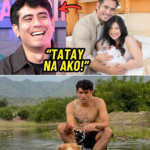

The Philippine social media landscape has been set ablaze by a compelling narrative that touches on themes of poverty, immense wealth, and the complex dynamics of fatherhood involving one of the world’s most famous athletes. The spotlight is currently fixed on Eman Bacosa, a young man from North Cotabato whose physical resemblance to boxing legend Manny Pacquiao is so striking that fans have dubbed him a “carbon copy” of the eight-division world champion. However, it is not just the uncanny facial features that have captured public attention; it is the stark contrast between the lifestyles of the alleged father and son. While Pacquiao is known for his multi-million dollar mansions in General Santos, Makati, and Manila, recent documentaries have revealed that Eman has been living in a modest structure made of wood with a rusty roof, sparking a heated debate about responsibility and generosity.
The controversy gained momentum after a feature on a popular television program highlighted Eman’s humble beginnings. Raised by his mother, Joan Rose Bacosa, in a simple home beside a rice field, Eman grew up far removed from the glitz and glamour of his alleged father’s world. He had no bodyguards, no sports cars, and for a long time, no recognition. This revelation has led to an outpouring of mixed emotions from the public. Many netizens expressed outrage, questioning why a man known for giving millions to strangers and charities would allow his own flesh and blood to live in such precarious conditions. The image of the billionaire boxer’s “son” living in a dilapidated house has become a symbol for some of a glaring oversight, prompting persistent rumors that Manny is now planning to rectify this by gifting Eman a new house.
Despite the public pressure and the allure of sudden wealth, Eman Bacosa has maintained a posture of dignity that has won him even more admirers than his famous surname ever could. in various interviews, he has categorically stated that he is not chasing after Manny’s money or a luxurious mansion. His desire, he claims, was simply to be acknowledged. “I am not looking for money. I just want to be known as his son,” Eman has said, prioritizing a hug and a relationship over material assets. This humility has disarmed many critics and shifted the narrative from a demand for financial support to a story about a longing for connection. When the two finally met, it was an emotional scene where Eman held back tears, marking the end of a decade of separation and the beginning of a tentative relationship.
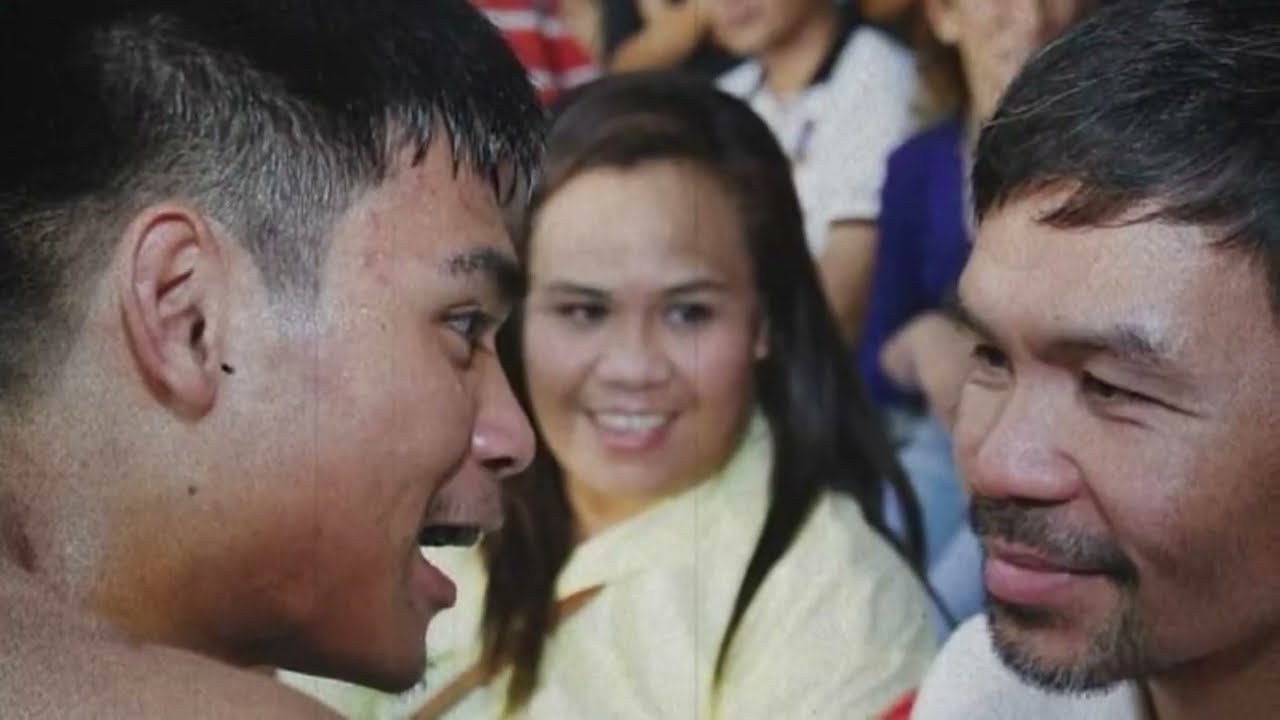
However, the question of the house remains a sticking point for online observers. Theories abound regarding Manny Pacquiao’s hesitation to immediately provide a lavish lifestyle for Eman. Some defenders of the boxing icon suggest that this is a calculated parenting decision rather than neglect. They argue that Manny, who himself rose from abject poverty selling bread on the streets to becoming a global icon, places a high premium on the value of struggle and hard work. The theory posits that Manny wants Eman to build his own foundation and character, proving his worth through his own efforts rather than being handed a comfortable life on a silver platter. In this view, the lack of a mansion is not a punishment, but a challenge to helping him grow into a self-made man.
As Eman begins to carve out his own path in the entertainment industry, training in boxing and appearing in media, the public continues to watch closely. The rumor of a gifted house persists, serving as a metaphor for total acceptance. Whether Manny Pacquiao eventually hands over the keys to a new home or continues to offer support in more intangible ways, the saga of Eman Bacosa has become a modern parable. It challenges society to define what truly makes a father—is it the provision of a roof over one’s head, or the presence and acknowledgment that heals emotional wounds? For now, Eman’s resilience in his humble wooden home stands as a testament to his strength, proving that while a mansion would be nice, he has already built something far more valuable: his own identity.
News
GULAT ANG LAHAT! Toby Tiangco, Huli sa Video na Nagtatangkang Harangin ang Suspensyon ni Kiko Barzaga – ‘Trojan Horse’ sa Kongreso Nabunyag?
Sa isang mainit na tagpo sa loob ng Batasang Pambansa na tila hinugot sa isang pelikula, isang hindi inaasahang “plot…
HINDI NA NAKAPALAG! Kiko Barzaga, Pinatayan ng Mikropono at Sinuspendi ng 60 Araw Matapos ang Matinding Harapan sa Kongreso Dahil sa ‘Fake News’
Sa isang mainit at dramatikong tagpo sa loob ng Batasang Pambansa, tuluyan nang ibinaba ang kamay na bakal laban…

GUARD! KALADKARIN NIYO PALABAS ANG MATANDANG ‘YAN! ANG BAHO NIYA, NAKAKAHIYA SA MGA PASYENTE KO!
Napakalakas ng bagyo nang gabing iyon sa lungsod. Ang hangin ay humahagupit sa mga bintana ng St. Luke’s Medical City…

LUMAYAS KA RITO! ANG BAHO MO! WALA KANG PAMBAYAD KAYA WALA KANG KARAPATANG MAGPAGAMOT DITO!
Sa gitna ng abalang lungsod ng Makati, nakatayo ang St. Raphael Medical Center, isang ospital na kilala sa makabagong kagamitan,…

The Uncomfortable Truth Exposed: Why the World’s Wealthiest Nations Are Reportedly Laughing at the Philippines and the Shocking Reason Behind Their Sudden Loss of Respect for the Pearl of the Orient!
It is a bitter pill to swallow for every patriotic Filipino, but a disturbing narrative is quietly circulating within the…

ARGUS Touches Hearts on Showtime as He Emotionally Bids Farewell to His Father
Manila, Philippines — It was a tear-filled episode of It’s Showtime as young singing sensation Argus delivered one of the most emotional…
End of content
No more pages to load