
Bigg Boss 19 has never shied away from chaos, laughter, and unexpected drama, but the latest twist involving Ashnoor took the excitement to a whole new level. In a surprising turn of events, Amaal and Shehbaz decided to give Ashnoor a cartoon makeover, transforming the usually composed contestant into a comical, colorful caricature. The housemates could hardly contain themselves, and the cameras captured every hilarious and shocked reaction.
The moment started innocently. Amaal and Shehbaz, both known for their playful and strategic antics, whispered their mischievous plan, exchanging glances that hinted at the chaos to come. Ashnoor, unaware of what was about to happen, continued with her daily routine, completely oblivious to the impending prank. The tension and anticipation among the other contestants were palpable; whispers and suppressed giggles echoed in corners of the house.
When Amaal and Shehbaz finally executed the makeover, the reactions were instantaneous. Ashnoor’s expression shifted from confusion to disbelief, and then to reluctant amusement. Her face, painted and exaggerated like a cartoon character, instantly became the highlight of the house. Housemates erupted into laughter, some doubling over, while others watched in awe, unsure whether to join in the fun or document the moment for strategic advantage.
The cameras panned across the house, capturing the sheer variety of reactions. Some contestants were openly entertained, laughing until tears rolled down their cheeks. Others, like strategic players who rarely show emotion, analyzed the situation, silently calculating the potential implications. Could this playful prank affect social alliances? Would Ashnoor’s embarrassment create tension or unexpected bonds? Every eye in the house was on her, making the moment both comedic and intense.
Ashnoor’s response was equally entertaining. At first, she tried to maintain composure, but the absurdity of her cartoonish appearance was impossible to ignore. Giggles turned into full-blown laughter, her expressive reactions fueling the energy of the house. She tried playful retaliation, giving sly looks at Amaal and Shehbaz, but the sheer surprise of the prank left her momentarily disarmed. For viewers, this was a perfect blend of humor, vulnerability, and entertainment—the kind of content that makes Bigg Boss both unpredictable and addictive.
Amaal and Shehbaz, basking in the success of their prank, demonstrated their mastery of house dynamics. The makeover was not just for laughs; it was also a strategic move, a way to assert influence, lighten the mood, and subtly shift the attention of other contestants. Their playful coordination revealed a keen understanding of both emotion and strategy, turning a simple prank into a multifaceted spectacle.
The atmosphere in the house shifted dramatically. Conversations, previously tense and calculated, were now filled with bursts of laughter, playful banter, and occasional exclamations about Ashnoor’s new look. The prank created a temporary suspension of competitive tension, allowing contestants to engage in moments of levity. Yet beneath the humor, the underlying currents of strategy remained. Every reaction was being noted, every alliance recalibrated, and every subtle observation turned into potential leverage.
Outside the house, the viewers were enthralled. Social media platforms exploded with posts, memes, and commentary about Ashnoor’s cartoon makeover. Fans debated whether it was purely a funny prank, a clever strategy by Amaal and Shehbaz, or a mix of both. Clips of Ashnoor’s reactions went viral, showing how Bigg Boss continues to balance entertainment, strategy, and genuine human emotion. The episode quickly became one of the most discussed moments of the season.
The emotional resonance of the prank was also worth noting. While primarily comedic, it revealed the vulnerability and resilience of Ashnoor. Being in the spotlight, exposed to teasing and laughter, she had to navigate embarrassment while maintaining her social presence and strategic poise. The moment highlighted the delicate balance in Bigg Boss—where humor and chaos intersect with tactical gameplay, emotional intelligence, and social maneuvering.
As the day progressed, the house remained abuzz with chatter. Some contestants attempted to imitate or exaggerate Ashnoor’s cartoonish features for comedic effect, while others strategized about how to use the incident to their advantage in upcoming tasks. The makeover had inadvertently sparked creativity, collaboration, and playful competition, further entrenching its impact on the social dynamics of the house.
By the evening, the prank had left its mark. Ashnoor, though initially embarrassed, began to embrace the humor of the situation, engaging with other housemates in playful retaliation and banter. The laughter was genuine, the camaraderie palpable, and the energy in the house elevated. It was a moment that transcended simple entertainment—it had become a social experiment in emotion, perception, and influence within the competitive confines of Bigg Boss.
The success of the cartoon makeover highlighted several key dynamics. Amaal and Shehbaz’s coordination showcased how humor can be wielded as a strategic tool. Ashnoor’s reaction illustrated the power of adaptability and emotional resilience. And the reactions of other housemates demonstrated how quickly alliances, perception, and influence can shift in response to a single, unexpected event.
The laughter from the cartoon makeover quickly gave way to subtle tensions, as the Bigg Boss 19 house processed the implications of the prank. While the moment was initially playful, its ripple effects were soon felt across alliances, social hierarchies, and emotional dynamics. Housemates who had previously maintained a calm demeanor began recalibrating their strategies, realizing that humor and chaos could be just as powerful as tactical gameplay.
Ashnoor, still adjusting to the unexpected prank, exhibited a mixture of embarrassment, amusement, and determination. The playful humiliation could have easily shaken her confidence, but instead, she began to harness the experience. By acknowledging the humor yet responding with clever quips and subtle gestures, she demonstrated emotional resilience that impressed both housemates and viewers. Her reaction highlighted a critical lesson in Bigg Boss: vulnerability can be leveraged as a form of social strategy.
Amaal and Shehbaz, emboldened by the success of their prank, relished the attention it brought. The playful act had elevated their visibility within the house, reinforcing their roles as influencers who could control both entertainment and strategy. Their teamwork demonstrated how humor, when combined with timing and awareness of house dynamics, could shift attention, create bonds, and subtly unsettle others.
The other housemates reacted in a variety of ways. Some joined in the laughter, enjoying the comedic relief amidst the intense pressures of competition. Others watched cautiously, analyzing how the prank could alter perceptions and future interactions. Questions emerged: would Ashnoor seek playful revenge? Could the incident impact her alliances or sway votes in future tasks? Even a light-hearted moment had strategic ramifications, revealing the intricate balance between emotion and gameplay that defines Bigg Boss.
Throughout the day, subtle social games emerged. Certain contestants attempted to capitalize on the prank, exaggerating reactions, or drawing attention to themselves in contrast to Ashnoor’s highlighted moment. Others became more reserved, fearing that any misstep could be interpreted as opportunistic or disloyal. The makeover had unexpectedly created a lens through which all subsequent interactions were viewed, amplifying tension and curiosity simultaneously.
Ashnoor, aware of the eyes on her, responded with a careful mix of playfulness and assertiveness. Her ability to turn embarrassment into engagement displayed a strategic depth often overlooked in reality television. She used humor to reclaim agency, transforming the situation from one where she was the subject of attention into a platform for social influence and connection. The house dynamic had subtly shifted—she was no longer merely a participant but a focal point whose reactions shaped the emotional and strategic landscape.
The prank also generated micro-drama in small groups and private conversations. Contestants whispered theories about motivations, alliances, and possible future pranks. The cartoon makeover became a talking point, a reference for subtle power plays, and even a test of social intelligence. Observers noted that the incident had created new lines of alignment—some gravitating toward Amaal and Shehbaz, others offering solidarity to Ashnoor, and a few positioning themselves strategically in anticipation of subsequent moves.
Fans at home were equally enthralled. Social media discussions exploded with analysis, memes, and debates. Viewers dissected Ashnoor’s reactions, applauded her resilience, and speculated about potential twists stemming from the prank. The episode highlighted the captivating interplay of emotion, strategy, and entertainment that makes Bigg Boss a phenomenon, showcasing how a single humorous act can dominate both the house and audience attention.
Strategically, the incident emphasized the dual nature of Bigg Boss: emotional events can serve as both a tool and a challenge. Amaal and Shehbaz had demonstrated the power of orchestrated fun to influence perception, while Ashnoor had shown that composure and clever engagement could turn a potential disadvantage into a social advantage. Meanwhile, the remaining housemates were left navigating a web of observation, speculation, and calculation, as even minor reactions could shift power dynamics.
As the day unfolded, tasks and group interactions reflected the lingering impact of the makeover. Contestants were more attentive to behavior, measured in reactions, and careful in conversations. Alliances subtly shifted, new collaborations formed, and rivalries simmered just below the surface. Humor had become a strategic element, and emotional intelligence had transformed into a competitive advantage.
By the evening, Ashnoor had fully embraced the situation. She engaged in playful banter, turned the spotlight into a moment for connection, and subtly reinforced her social standing. Amaal and Shehbaz, while enjoying the fun, also recognized that their prank had broader consequences, as attention and influence could now be leveraged in future tasks and interpersonal dynamics. The house was alive with laughter, curiosity, and strategic tension—a perfect illustration of Bigg Boss’s complex social ecosystem.
The cartoon makeover also revealed a psychological layer of the game. Housemates observed that emotional exposure could catalyze alliances or trigger subtle rivalries. Ashnoor’s response, oscillating between humor, resilience, and strategic awareness, became a case study in how to navigate the high-pressure environment. Her reactions proved that adaptability, emotional intelligence, and clever engagement could transform potentially embarrassing moments into powerful social capital.
As night fell, the Bigg Boss 19 house remained buzzing. The prank, which had begun as light-hearted fun, had sparked a series of calculated interactions, social experiments, and emerging rivalries. Housemates, aware that cameras never stop, reflected on their own positions, considering how their responses to humor, embarrassment, and alliance dynamics could influence their standing in the game. The cartoon makeover had become more than just a playful act—it had reshaped the social fabric of the house, leaving an indelible mark on relationships, strategies, and future gameplay.
The days following Ashnoor’s cartoon makeover in Bigg Boss 19 were a whirlwind of laughter, reflection, and strategic recalibration. What began as a playful prank between Amaal and Shehbaz quickly evolved into a pivotal moment that influenced relationships, alliances, and the emotional landscape of the house.
Ashnoor, initially embarrassed, had transformed the experience into a platform for influence. Her resilience and sense of humor allowed her to navigate interactions with confidence, turning what could have been a humiliating moment into a demonstration of adaptability. Housemates who underestimated her initially now observed her with renewed caution, realizing that emotional intelligence could be as powerful as strategic maneuvering.
The prank also triggered subtle shifts in alliances. Contestants who had been previously aligned in predictable patterns began reevaluating their positions. Some gravitated toward Amaal and Shehbaz, eager to share in their playful energy and leverage their influence. Others offered solidarity to Ashnoor, recognizing her ability to transform vulnerability into social power. These emerging micro-alliances underscored how even lighthearted incidents could reshape the competitive landscape in Bigg Boss.
Drama escalated in unexpected ways. Small disagreements emerged over perceived attention imbalances, playful rivalries intensified, and previously unspoken tensions surfaced. Housemates who struggled with visibility or influence found the prank a catalyst for subtle conflicts, while those with heightened social awareness adapted quickly, ensuring that the chaos worked to their advantage. The cartoon makeover had become more than entertainment—it was a lens through which future strategy and behavior were filtered.
Amaal and Shehbaz, having orchestrated the prank, watched carefully as the effects rippled through the house. Their influence had grown, not only through humor but also through their ability to manipulate the emotional environment. They subtly guided interactions, creating situations that tested loyalty, creativity, and adaptability. Their playful approach demonstrated a sophisticated understanding of social dynamics, proving that fun and strategy often go hand in hand in the Bigg Boss house.
Ashnoor’s responses continued to be a focal point. She balanced playfulness with strategic observation, knowing that her reactions were being noted by both housemates and viewers. By laughing at herself and engaging others with wit, she reinforced her social capital while subtly influencing perceptions. Her growth reflected a core principle of Bigg Boss: adaptability and emotional intelligence can transform even potentially embarrassing moments into opportunities for power and influence.
The housemates’ reactions were varied. Some openly expressed admiration for Ashnoor’s handling of the prank, while others quietly recalibrated strategies, wary of being overshadowed. Certain contestants attempted to replicate the humor, adding playful exaggerations to their interactions, while others strategically observed, noting which alliances were strengthened or weakened by the event. The prank had created a complex web of social dynamics, blending comedy, vulnerability, and calculation.
Outside the house, viewers were captivated. Clips of Ashnoor’s cartoon makeover circulated widely on social media, sparking debates, memes, and speculation about potential fallout. Fans praised her resilience, discussed the impact on house alliances, and speculated about upcoming twists influenced by the prank. The episode highlighted the seamless interplay between entertainment, emotion, and strategic gameplay—a hallmark of Bigg Boss’s appeal.
As the week progressed, subtle drama intensified. Contestants tested boundaries, observing how humor and emotion could be leveraged to gain favor or unsettle rivals. Tasks became not just competitions of skill but also exercises in perception and influence. Ashnoor’s newfound confidence, combined with Amaal and Shehbaz’s playful orchestration, introduced a variable that everyone had to account for. The house operated with heightened awareness, balancing strategy and emotional authenticity.
The prank’s long-term impact extended beyond immediate interactions. It influenced voting behavior, social alliances, and task performance. Housemates who were quick to adapt thrived, while those who clung to rigid strategies found themselves at a disadvantage. Emotional intelligence had become a currency, and the ability to navigate humor, embarrassment, and strategy simultaneously proved invaluable.
By the end of the chapter, it was clear that Ashnoor’s cartoon transformation had permanently altered the house’s dynamics. Relationships had shifted, alliances were evolving, and the balance of influence had changed. Amaal and Shehbaz had demonstrated how controlled chaos could strengthen their position, while Ashnoor had shown that resilience and clever engagement could transform vulnerability into power. The prank had not only entertained but also reshaped the competitive, emotional, and strategic fabric of Bigg Boss 19.
The season continued with a heightened sense of unpredictability. Housemates were more cautious, aware that humor and emotion could carry significant implications. Every interaction was scrutinized, every gesture analyzed, and every alliance reevaluated in the context of the cartoon makeover incident. Bigg Boss 19 had demonstrated once again that in this high-stakes environment, laughter, creativity, and emotional intelligence are just as crucial as strategy and competition.
Ultimately, the episode highlighted the multidimensional nature of the game. A playful act, such as transforming Ashnoor into a cartoon, revealed not only the contestants’ personalities but also their ability to adapt, influence, and navigate complex social networks. It underscored the delicate interplay of emotion, strategy, and unpredictability that defines Bigg Boss, leaving both contestants and viewers captivated and eagerly anticipating the next twist.
The cartoon makeover of Ashnoor will be remembered as more than a humorous moment—it became a turning point in Bigg Boss 19, demonstrating how creativity, resilience, and strategic thinking intertwine in the most unexpected and entertaining ways. Laughter, drama, and emotional intelligence had converged, reshaping the house and setting the stage for the unfolding season, ensuring that viewers remained glued to every twist and turn.
News
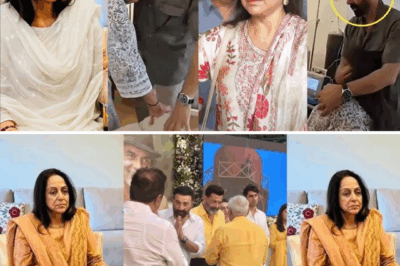
Hema Ji Breaks Silence After Dharmendra’s Passing: Social Media Reacts to Emotional Posts
The world paused for a moment when the news of Dharmendra’s passing spread. Bollywood’s “He-Man,” a figure larger than life,…

Hema Malini Health Rumors Rise After Dharmendra’s Hospital Scare: What’s Really Happening?
The first whispers came quietly, almost like a shadow sliding across the walls of social media. Hema Malini, the timeless…
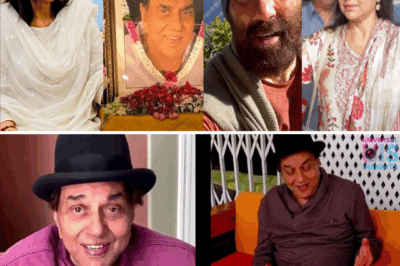
A Quiet Ritual, A Shattered Heart: What Really Stopped Hema Malini at Dharmendra’s Side?
Hema Malini had lived a life in the public eye for more than five decades, but nothing prepared her for…
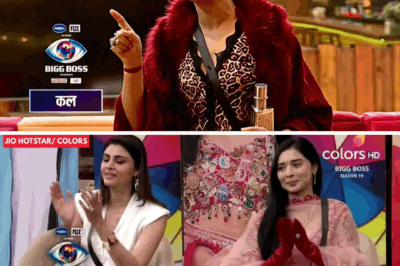
Bigg Boss 19 Episode 100: Tanya Sparks Intense Fight With Gaurav
Bigg Boss 19 Episode 100, airing on 1st December 2025, marked a milestone not only because it was the 100th…
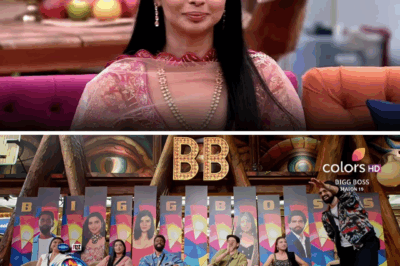
Bigg Boss 19 Promo 1st December 2025: Contestants Face Media Questions Live
Bigg Boss 19 reached a new milestone with Episode 100, airing on 1st December 2025, and fans were treated to…
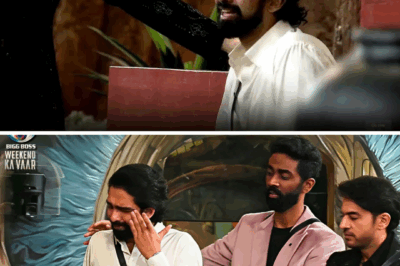
Bigg Boss 19 Drama: Amaal Malik Cries After Shehbaz Badesha Evicted
The Bigg Boss 19 house was filled with tension and anticipation as Shehbaz Badesha’s eviction was announced. While many contestants…
End of content
No more pages to load