
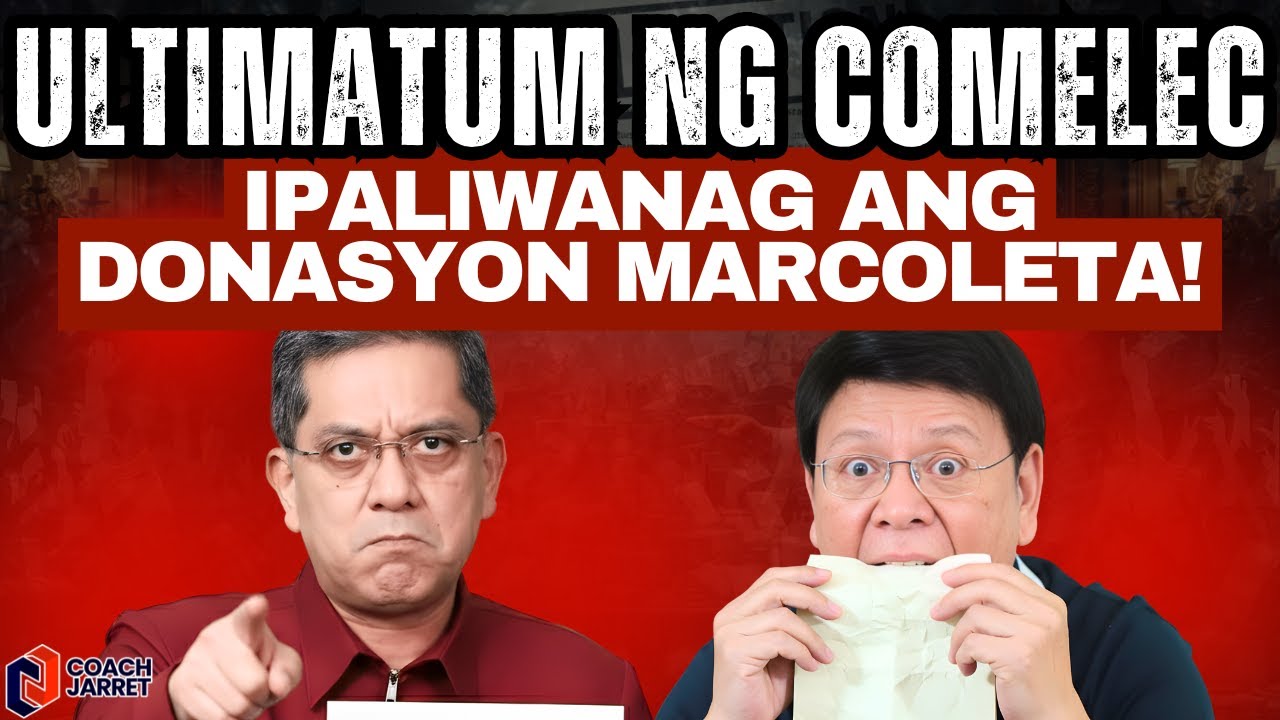
The political atmosphere in Manila has shifted dramatically, taking a turn that few anticipated as the Commission on Elections (Comelec) officially breaks its silence to issue a stern ultimatum to Senator Rodante Marcoleta. In a development that observers are describing with the ominous local idiom “gumalaw na ang baso” or “the glass has moved,” the poll body is demanding an immediate and comprehensive explanation regarding glaring inconsistencies in the Senator’s Statement of Contributions and Expenditures (SOCE) for the May 2025 elections. At the heart of this brewing storm is a baffling financial declaration that defies basic mathematics: millions of pesos in verified campaign spending backed by absolutely zero declared contributions. This anomaly has triggered a “Show Cause” order, signaling that the regulator is ready to enforce the full weight of the law on what appears to be a flagrant disregard for transparency.
The controversy began to spiral when election watchdogs and regulators started scrutinizing the details of Senator Marcoleta’s SOCE filings. Public records and audits reveal that Marcoleta spent an estimated 112 million pesos during his rigorous campaign. However, the line item for “contributions received” stood at a staggering zero. This discrepancy immediately raised red flags among auditors and the public alike. When cross-referenced with his Statement of Assets, Liabilities, and Net Worth (SALN)—which reportedly shows a net worth ranging only between 51 million and 80 million pesos—the numbers simply do not add up. The fundamental question being asked is how a candidate can fund a campaign that exceeds his entire personal net worth by such a wide margin without accepting a single cent in donations. The math suggests an impossibility that requires a swift legal justification.
The answer, as it turns out, was provided by the Senator himself in a candid and shocking admission that legal experts are now calling a potential act of self-incrimination. In a widely circulated interview or discussion, Senator Marcoleta attempted to clarify the anomaly, but his explanation may have dug a significantly deeper legal hole for his defense. He admitted that he did, in fact, receive substantial financial help from “many friends” who believed in his capacity to serve in the Senate. However, these donors allegedly had one non-negotiable condition: they wanted to remain completely anonymous. The Senator recounted that his backers urged him to accept their help but explicitly requested that he not disclose their identities. He explained that listing the donation amounts in his SOCE would legally force him to reveal the donors’ names and addresses—a betrayal of his friends’ trust that he was unwilling to commit.
Senator Marcoleta argued that if he inputted a monetary figure, the system and the law would compel him to disclose the source. He stated that doing so would violate the only request his friends made of him. To circumvent this transparency requirement, the Senator made the executive decision to declare “zero” contributions, effectively treating the millions of pesos in support as a personal “debt of gratitude” or “utang na loob” rather than a reportable campaign donation. While this strict adherence to a gentleman’s agreement might sound noble in the context of personal friendship, in the strict context of Philippine Election Laws, it is a direct violation of the Omnibus Election Code. The law does not recognize personal secrecy pacts when it comes to the funding of public officials.
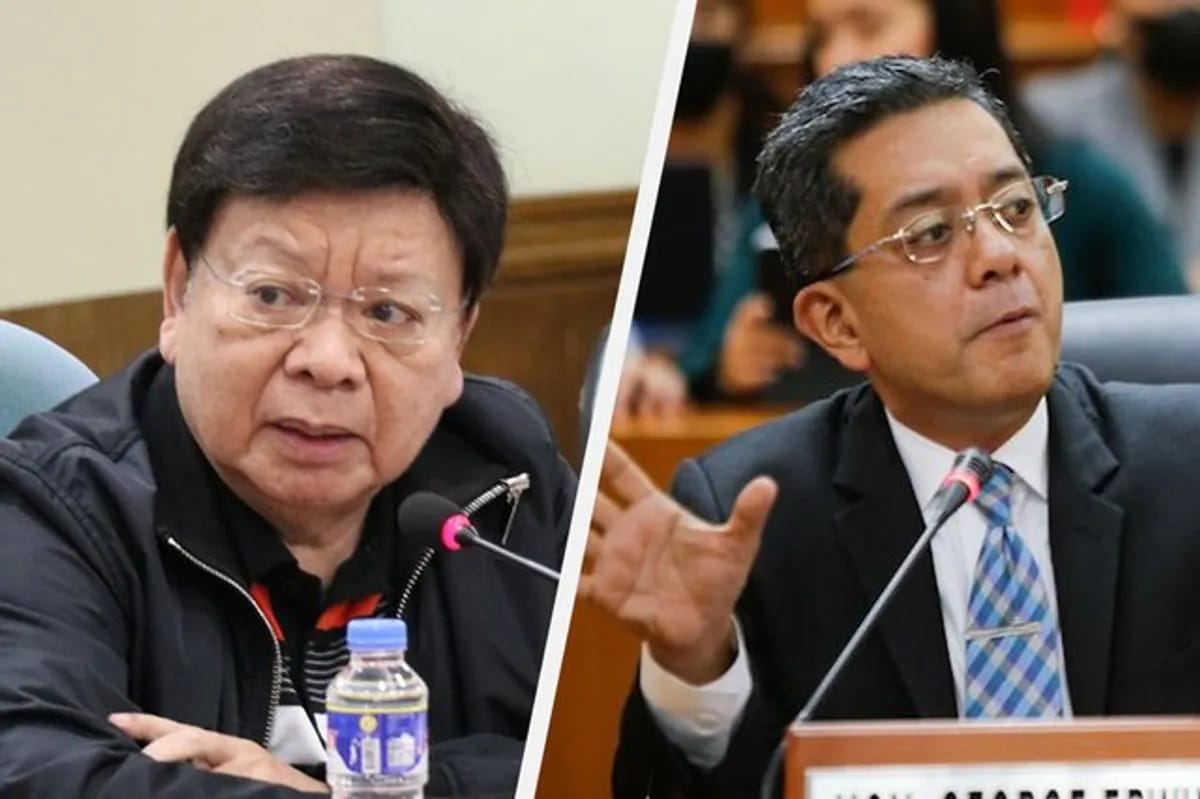
Critics, political analysts, and legal commentators have been quick to point out the supreme irony of the situation: a seasoned lawmaker and lawyer openly admitting to bypassing the very laws he is sworn to uphold. The Omnibus Election Code is unequivocal on this matter. Section 107 mandates that every candidate must file a full, true, and itemized statement of all contributions and expenditures. Furthermore, Section 109 specifically requires the full name and exact address of every person from whom a contribution was received. There is absolutely no provision in the existing legal framework that allows for “anonymous” donations to be excluded from reporting based on personal requests for privacy. By choosing to honor his friends’ request over the statutory requirements, Marcoleta has arguably admitted to falsifying a public document, placing his personal relationships above his duty to the public.
The situation became even more precarious when the Comelec shed light on Section 99 of the Omnibus Election Code. This often-overlooked provision creates a “sandwich” effect that traps both the receiver and the giver in a legal bind. The law states that any person giving a contribution to any candidate must also report that contribution to the Commission within thirty days after the election. This means Marcoleta’s “secret friends” are currently in violation of the law if they failed to report their donations independent of the Senator’s filing. This creates a dilemma with no escape for either party. If the donors come forward now to avoid penalties, they expose Marcoleta’s under-declaration, confirming his violation. However, if they stay silent, they are committing an election offense alongside the Senator. It is a catch-22 that leaves no room for maneuvering.
Comelec Chairman George Garcia has confirmed that the commission is not taking these irregularities lightly and is moving to ensure that the rule of law prevails. To ensure due process, the Comelec will issue a Show Cause Order, effectively an ultimatum giving Senator Marcoleta a final chance to explain his side formally before charges are filed. Chairman Garcia stated that they want to see the documents and emphasized that this move is purely about transparency and accountability. The commission intends to hear his side on where the massive amount he spent came from if not from his own pocket or declared donors. This procedural step is critical. If the explanation is deemed unsatisfactory—which appears likely given the Senator’s public admission that the report was intentionally altered to hide identities—the legal consequences could be devastating.
The penalties for election offenses under Section 264 of the Omnibus Election Code are severe and are not mere administrative slaps on the wrist. If found guilty, the repercussions include imprisonment of not less than one year but not more than six years. Furthermore, the guilty party faces permanent disqualification from holding public office and the deprivation of the right of suffrage. For a sitting Senator, this is a career-ending threat. The issue goes beyond simple accounting errors; it touches on the integrity of the electoral process. The law exists to prevent prohibited sources—such as government contractors with existing state contracts or foreign entities—from funding politicians in exchange for future favors. By hiding the identities of his donors, Marcoleta has effectively removed the public’s ability to scrutinize who is financing his political agenda.
This case is currently unfolding alongside similar investigations, including inquiries into donations received by other high-profile figures like Senator Chiz Escudero, proving that the Comelec is tightening its grip on campaign finance compliance across the board. However, Marcoleta’s case stands out due to the brazen nature of the admission. It challenges the very essence of the “sworn statement.” A SOCE is submitted under oath, meaning that to falsify it is technically perjury. To admit to falsifying it on national media is a legal gamble that few politicians survive unscathed. As the Show Cause Order makes its way to the Senator’s office, the public waits with bated breath. The “glass” has indeed moved, and for Senator Marcoleta, the spirits of his past decisions have come back to haunt him. The question now is not just about who donated, but whether a lawmaker can remain in power after placing personal debts of gratitude above the law of the land.
News
GULAT ANG LAHAT! Toby Tiangco, Huli sa Video na Nagtatangkang Harangin ang Suspensyon ni Kiko Barzaga – ‘Trojan Horse’ sa Kongreso Nabunyag?
Sa isang mainit na tagpo sa loob ng Batasang Pambansa na tila hinugot sa isang pelikula, isang hindi inaasahang “plot…
HINDI NA NAKAPALAG! Kiko Barzaga, Pinatayan ng Mikropono at Sinuspendi ng 60 Araw Matapos ang Matinding Harapan sa Kongreso Dahil sa ‘Fake News’
Sa isang mainit at dramatikong tagpo sa loob ng Batasang Pambansa, tuluyan nang ibinaba ang kamay na bakal laban…
GUARD! KALADKARIN NIYO PALABAS ANG MATANDANG ‘YAN! ANG BAHO NIYA, NAKAKAHIYA SA MGA PASYENTE KO!
Napakalakas ng bagyo nang gabing iyon sa lungsod. Ang hangin ay humahagupit sa mga bintana ng St. Luke’s Medical City…

LUMAYAS KA RITO! ANG BAHO MO! WALA KANG PAMBAYAD KAYA WALA KANG KARAPATANG MAGPAGAMOT DITO!
Sa gitna ng abalang lungsod ng Makati, nakatayo ang St. Raphael Medical Center, isang ospital na kilala sa makabagong kagamitan,…
The Uncomfortable Truth Exposed: Why the World’s Wealthiest Nations Are Reportedly Laughing at the Philippines and the Shocking Reason Behind Their Sudden Loss of Respect for the Pearl of the Orient!
It is a bitter pill to swallow for every patriotic Filipino, but a disturbing narrative is quietly circulating within the…

ARGUS Touches Hearts on Showtime as He Emotionally Bids Farewell to His Father
Manila, Philippines — It was a tear-filled episode of It’s Showtime as young singing sensation Argus delivered one of the most emotional…
End of content
No more pages to load