
The day the videos first appeared online, social media erupted into chaos. Clips claimed to show Sunny Deol performing his father Dharmendra’s last rites while Bobby Deol was inconsolably crying beside him. The videos, shared across Instagram, Twitter, and WhatsApp, quickly amassed millions of views. Fans reacted instantly with heartbreak, disbelief, and a flood of messages expressing sorrow. “I can’t believe this,” read one comment. “We’ve lost a legend,” said another. People recounted memories of watching Dharmendra’s films growing up, as if mourning a family member rather than a celebrity.
The emotional intensity was immediate. The hashtag #DharmendraCremation trended globally, and news portals jumped on the story, some even reporting it as confirmed. Comments sections were flooded with prayers, nostalgia, and shock. Yet amid the panic, some viewers noticed subtle details. The backgrounds in certain clips appeared familiar, like public events rather than a cremation ground. The lighting and ambient movements suggested normal daytime activity. These observers began to question the authenticity, but the raw emotion captured in the video overpowered rational skepticism for most viewers.
Within hours, mainstream media outlets carried the story, amplifying its reach. Every share and retweet validated the perception for millions. Emotional content spreads faster than facts, and the images of Bobby Deol seemingly crying and Sunny Deol performing “last rites” became proof enough for many. The internet, in its immediacy, transformed speculation into collective mourning. Millions experienced grief, not based on reality, but on the power of perception and emotional triggers.
Amidst the panic, the family responded. Esha Deol took to social media, stating simply but firmly that her father Dharmendra was alive and well. “Please do not believe unverified reports. Our family is fine,” she wrote. Hema Malini, too, clarified in interviews that the emotional clips were taken out of context, unrelated to any actual death or funeral. Sunny Deol, visibly frustrated by the misinformation, emphasized that his father was undergoing routine health check-ups and urged the public and media not to spread rumors. The clarification was heartfelt but struggled to counter the viral spread that had already captured global attention.
This incident highlighted a fundamental truth about social media: perception often overrides fact. The visual power of a few seconds of emotional footage can trigger collective grief, while clarification struggles to keep pace. Tears and sorrow are universally understood, and when displayed by beloved celebrities, they create instinctive empathy. Millions reacted emotionally before thinking critically. The phenomenon served as a reminder that digital misinformation thrives on the combination of emotion and speed, and even well-intentioned fans can become unwitting participants in spreading falsehoods.
Despite the confusion, the story also revealed the deep emotional bond between celebrities and their fans. Dharmendra’s legacy spans decades of cinema, creating shared memories that transcend generations. His films, charisma, and presence have made him a household name. The idea of losing him, even if false, was experienced as a personal loss by many. Social media amplified that grief, transforming a private family moment—misrepresented into a viral clip—into a global emotional event.
The day after the videos circulated, the intensity of emotional responses only increased. Fans shared stories of watching Dharmendra’s films as children, recounting moments of joy, nostalgia, and inspiration. Some mentioned watching Sholay or Phool Aur Patthar with their fathers, highlighting how the actor’s work had become part of their family memories. Online forums were flooded with speculation, prayer requests, and emotional tributes. Even international fans, unfamiliar with the nuances of Bollywood, engaged deeply, reacting instantly to the video clips.
Observers noted how emotional contagion worked on social media. Seeing Bobby Deol appearing to cry triggered empathy circuits in viewers, compelling them to share sorrow. Visual cues, such as tears, clasped hands, or somber expressions, bypass rational analysis and elicit immediate emotional responses. For millions, the grief was authentic, even if the underlying premise—the death of Dharmendra—was false. This phenomenon reflects a key aspect of digital media psychology: emotion spreads faster than fact, particularly when paired with visual evidence and cultural context.
As panic escalated, media outlets began to clarify the situation. Sunny Deol, addressing reporters and fans, stressed that his father was alive. He expressed frustration at the spread of misinformation and emphasized the responsibility of news platforms to verify facts before reporting. Hema Malini echoed these sentiments, calling the spread of false news “extremely disrespectful” to the family. Esha Deol’s social media post reinforced the message: her father was safe, and the viral footage had been misinterpreted.
The public’s reaction demonstrated the profound connection between celebrities and audiences. Fans’ emotional investment in Dharmendra was not merely admiration; it was a relationship formed over decades through films, public appearances, and shared cultural moments. The idea of losing him, even temporarily in their minds, prompted a collective grief that transcended borders. Social media amplified this effect, creating a phenomenon where emotion, rumor, and viral content combined into a global spectacle.
Interestingly, the event sparked discussions about media literacy and critical thinking. Psychologists and media experts noted that while emotional reactions are natural, they must be tempered with verification. Misinformation spreads faster when content is emotionally charged, and even well-intentioned fans can unknowingly participate. The Dharmendra incident became a case study for how digital platforms can amplify falsehoods and the importance of pausing, questioning, and verifying before sharing content online.
For Hema Malini and Esha Deol, the incident was intensely personal. Their private emotions had been broadcast to millions, misinterpreted, and sensationalized. Navigating the public response required composure and careful communication, balancing the need to clarify facts with the desire to maintain privacy. The experience underscored the pressures faced by celebrities in an age of instant digital exposure, where every gesture and emotional display can become public property.
By the evening, the tide of panic began to subside. Fans gradually realized the truth: Dharmendra was alive and healthy. Social media posts shifted tone, celebrating the actor’s life rather than mourning a false death. The hashtag #DharmendraCremation gave way to tributes, shared memories, and messages of love and admiration. The emotional rollercoaster—from panic to relief—highlighted how quickly misinformation can manipulate feelings and how swiftly truth can restore perspective.
As the viral story settled, its impact persisted as a lesson in society, media, and human psychology. The initial panic gave way to reflection, emphasizing the power of social media to influence emotion and perception. The incident revealed the delicate balance between celebrity, privacy, and public engagement, highlighting the responsibility of media outlets and audiences alike in verifying and interpreting information.
The viral videos illustrated the difference between genuine emotion and the interpretation imposed by context. Hema Malini and Bobby Deol’s tears were real, but the surrounding narrative was fabricated. This phenomenon exemplifies a core challenge of the digital age: images and clips can easily be taken out of context, creating narratives that feel true but are misleading. Audiences must navigate these spaces critically, balancing empathy with verification.
Culturally, the event underscored the role of Bollywood icons in shaping public sentiment. Dharmendra is not merely an actor; he embodies a shared past, nostalgia, and identity. Fans did not grieve only a public figure—they grieved the temporary absence of a symbol that connects generations. The intensity of the reaction demonstrates how deeply cultural icons embed themselves in collective memory, influencing emotions far beyond the screen.
The family’s response, measured and dignified, demonstrated resilience. Sunny Deol, Hema Malini, and Esha Deol managed the situation with clarity, emphasizing truth over sensationalism. Their handling of the misinformation highlighted the pressures celebrities face in maintaining privacy while addressing public concern. It also underscored the power of communication: timely, clear statements can mitigate panic and restore trust.
Beyond celebrity dynamics, the incident sparked important societal conversations. It illustrated how easily misinformation spreads online, the role of emotional triggers in amplifying rumors, and the responsibility of content creators and consumers in promoting accuracy. It reminded the public that emotions, while genuine, can be manipulated by context and presentation. Pausing, verifying, and considering sources became essential skills in navigating the digital landscape.
Ultimately, the Dharmendra death hoax is a story of resilience, both for the family and the fans. The panic and grief transitioned to relief and celebration. Millions of fans, initially overwhelmed by fear, embraced the truth and reaffirmed their admiration for the actor. Social media, initially a conduit for misinformation, became a platform for shared reflection, appreciation, and the reaffirmation of cultural connections.
The episode also reinforced a universal lesson: emotions are powerful, but clarity and context are paramount. Viral content can mislead, but truth has the power to restore balance and perspective. Dharmendra continues to live, his legacy intact, inspiring fans and reminding the world of the enduring bond between cultural icons and their audiences. Hema Malini, Sunny Deol, and Esha Deol navigated the storm with grace, demonstrating dignity, patience, and the importance of family amidst public scrutiny.
In conclusion, the incident, while rooted in a false rumor, became an enduring story about awareness, empathy, and media literacy. It highlighted the responsibilities of media, audiences, and celebrities in the digital age. The emotional journey—from panic and heartbreak to relief and reflection—offers a vivid illustration of how quickly perceptions can spread, and how truth, once clarified, can heal and unite. Dharmendra remains alive, celebrated, and cherished, his fans reminded of the fragility of rumor and the power of perspective in a world driven by instant information.
News
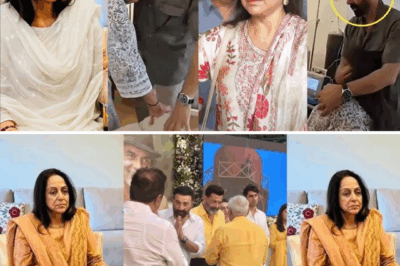
Hema Ji Breaks Silence After Dharmendra’s Passing: Social Media Reacts to Emotional Posts
The world paused for a moment when the news of Dharmendra’s passing spread. Bollywood’s “He-Man,” a figure larger than life,…
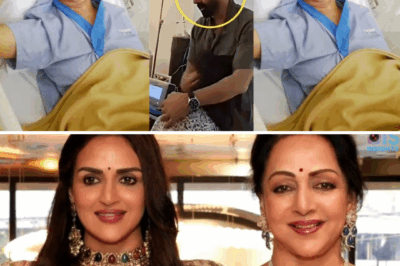
Hema Malini Health Rumors Rise After Dharmendra’s Hospital Scare: What’s Really Happening?
The first whispers came quietly, almost like a shadow sliding across the walls of social media. Hema Malini, the timeless…
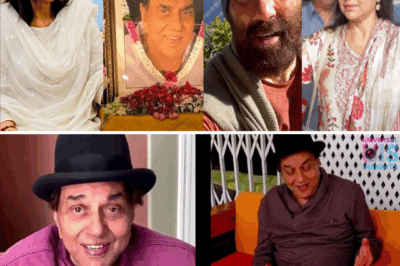
A Quiet Ritual, A Shattered Heart: What Really Stopped Hema Malini at Dharmendra’s Side?
Hema Malini had lived a life in the public eye for more than five decades, but nothing prepared her for…

Bigg Boss 19 Episode 100: Tanya Sparks Intense Fight With Gaurav
Bigg Boss 19 Episode 100, airing on 1st December 2025, marked a milestone not only because it was the 100th…
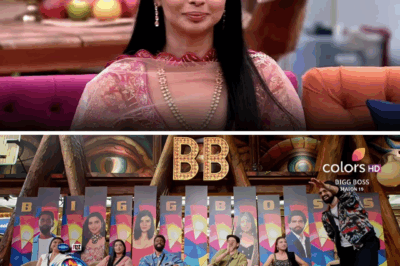
Bigg Boss 19 Promo 1st December 2025: Contestants Face Media Questions Live
Bigg Boss 19 reached a new milestone with Episode 100, airing on 1st December 2025, and fans were treated to…
Bigg Boss 19 Drama: Amaal Malik Cries After Shehbaz Badesha Evicted
The Bigg Boss 19 house was filled with tension and anticipation as Shehbaz Badesha’s eviction was announced. While many contestants…
End of content
No more pages to load