
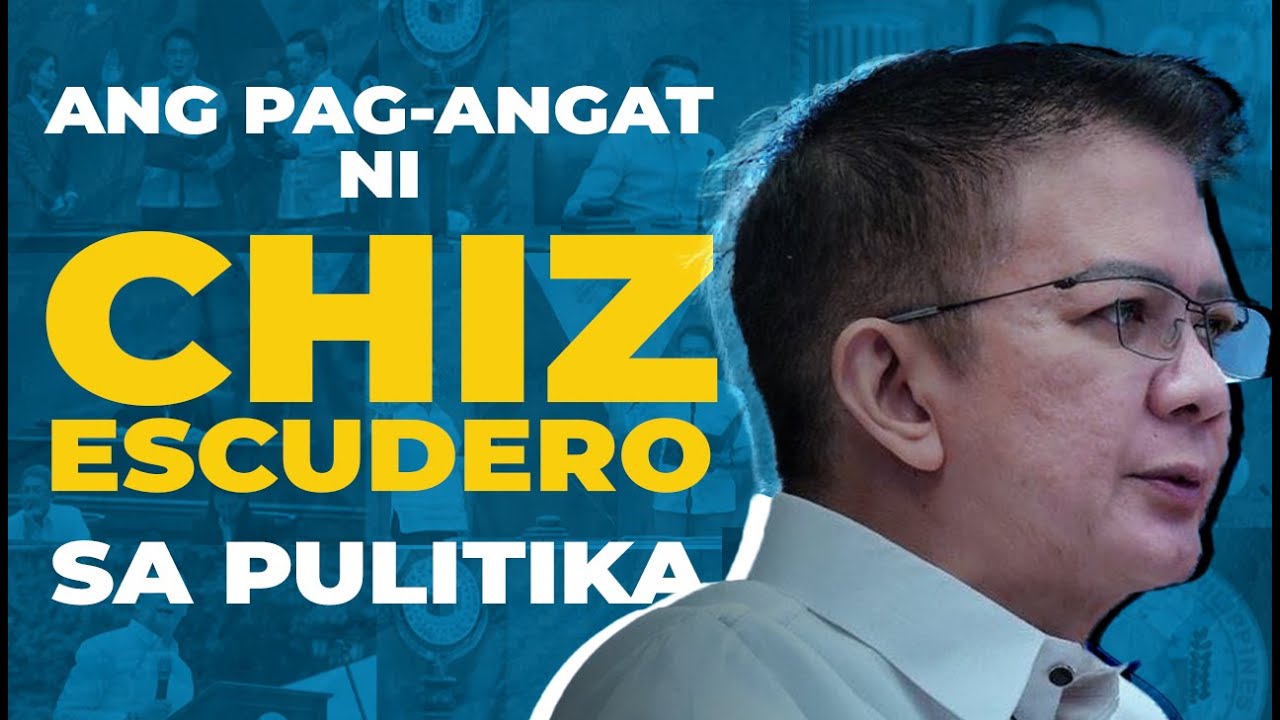
If you think politics is just about loud speeches and viral tirades, think again. Behind the headlines, a quieter, more calculated force has been shaping the direction of Philippine politics for nearly three decades: Chiz Escudero, the self-styled centrist who has mastered the art of performative centrism. And if you don’t know what that means — you’re already behind.
This isn’t just another profile of a long-time senator. This is a look at how performative centrism has become the survival code in the modern political arena — and how Escudero is playing that game better than anyone else.
Performative centrism is more than just playing it safe. It’s the deliberate act of appearing intellectually balanced — even if that balance sometimes comes at the cost of truth, justice, or transparency. Political scientist Gary Dionisio describes Escudero as someone who doesn’t merely walk the middle line but defines it. In Dionisio’s words, “It’s a politician appearing to be intellectually balanced at all costs, even when the balance comes at the expense of basic decency.”

Chiz Escudero has elevated performative centrism into a survival strategy — one that has allowed him to navigate the country’s most turbulent political shifts without ever being cast out of power.
Long before Chiz Escudero became a senator, the Escudero name was already written into the history of Philippine politics. With deep roots in Sorsogon and credentials from the University of the Philippines and Georgetown Law, Chiz had all the makings of a political lifer. From congressman to senator, then governor, and back again to the national stage — Escudero never lost relevance. His only electoral defeat was a vice-presidential bid in 2016. Every other move was calculated and, often, perfectly timed.
Escudero’s journey is a case study in political longevity. He has served under five presidents — from Estrada to Marcos Jr. — and has managed to stay in favor, or at least never in danger. And here’s the kicker: his political image remains untarnished in the eyes of many. Why? Because performative centrism works.
Chiz began his national career under Estrada’s wing, hailed as one of the “Bright Boys” — promising young lawmakers seen as articulate and politically gifted. When the “Hello Garci” scandal erupted in 2005, Escudero made a bold move — breaking away and becoming House Minority Leader. He backed impeachment efforts not once, but twice. Still, he didn’t get burned.
During the Aquino years, Escudero aligned himself with the administration’s reform agenda — except when it came to charter change, which he consistently opposed. Again, always in the middle, always balanced.
During Duterte’s presidency, Escudero condemned the murder of Kian delos Santos, backed probes into extrajudicial killings, but didn’t fully oppose Duterte’s administration. In fact, Duterte once considered him a viable presidential successor. In the 2022 elections, Escudero was endorsed by Sara Duterte. He returned to the Senate and, by 2024, assumed its leadership after Senator Zubiri’s resignation. When Vice President Sara Duterte was impeached in early 2025, Escudero delayed the constitution of the impeachment court, citing the election season. Critics claimed he was shirking constitutional responsibility. Escudero said the 19th Congress could not bind the 20th to act. Strategic, not confrontational — classic performative centrism.
Escudero’s marriage to actress and fashion icon Heart Evangelista added another layer to his carefully constructed public image. Without stepping into showbiz himself, he absorbed its glamour. Heart softened his persona, made him relatable, and increased his name recall, especially among younger demographics. This too, many analysts say, was no coincidence.

But while Escudero’s mastery of performative centrism is impressive, it raises serious questions. Can neutrality ever be harmful? What happens when “balance” becomes an excuse for inaction? Is Escudero preserving democracy — or passively allowing its erosion?
Critics argue that his silence in moments of national urgency speaks volumes. Supporters counter that his calm, deliberate tone is exactly what the country needs in an era of political polarization. But one thing is undeniable: Chiz Escudero is never off balance — and that’s exactly why he stays in power.
Now, with the Marcos-Duterte alliance strained, the Vice President impeached, and the Senate in flux, Escudero once again finds himself at the center of a political storm. His next moves could determine not just the future of the Senate presidency, but the broader trajectory of Philippine governance.
“He’s very good at reading political developments,” Dionisio noted. “From there, he will decide what is best for him.”
In a political climate dominated by noise, outrage, and chaos, Chiz Escudero’s quiet, calculated centrism may seem either refreshing or dangerous. Either way, it’s effective — and that makes it worth watching.
Whether you’re a political junkie, a student of power, or just a concerned Filipino, one thing is clear: to understand how politics really works in the Philippines, you have to understand Chiz Escudero. Miss this story, and you might miss the blueprint of modern political survival.
News

Secret No More: Gerald Anderson and Gigi De Lana’s Private Wedding in Batangas Breaks the Internet – Here’s What You Missed!
Did Gerald Anderson and Gigi De Lana just get married in secret? Yes — and the internet can’t keep calm….

“She Was Gone for Minutes”: Mona Alawi Found Unconscious, Ivana Alawi in Tears – What Really Happened?
In a moment that shocked fans across the globe, Mona Alawi, the beloved younger sister of actress and YouTube star…

Hanggang sa Muli, Mahal Kita’: Why Rufa Mae Quinto’s Heartbreaking Farewell to Her Husband Is the Story You Can’t Ignore
Filipino actress and comedienne Rufa Mae Quinto is grieving the unexpected passing of her estranged husband, Trevor Magallanes, and the…

Jo Koy Blessed by Tattoo Legend Whang-Od: The Viral Moment Everyone’s Talking About!
Why did Jo Koy travel all the way to the remote mountains of Kalinga? What really happened during his visit…

Caught Red-Handed: Congressman Busted Watching E-Sabong During House Session – Tulfo Weighs In!
In a moment that sent shockwaves through the online community and the halls of Philippine politics, a congressman was caught…

Claudia Barretto Breaks Silence: The Real Reason Behind Julia and Gerald’s Breakup – You Won’t Believe What She Revealed!
When celebrity couples part ways, the public is often left in the dark—guessing, speculating, and waiting for answers. But not…
End of content
No more pages to load