
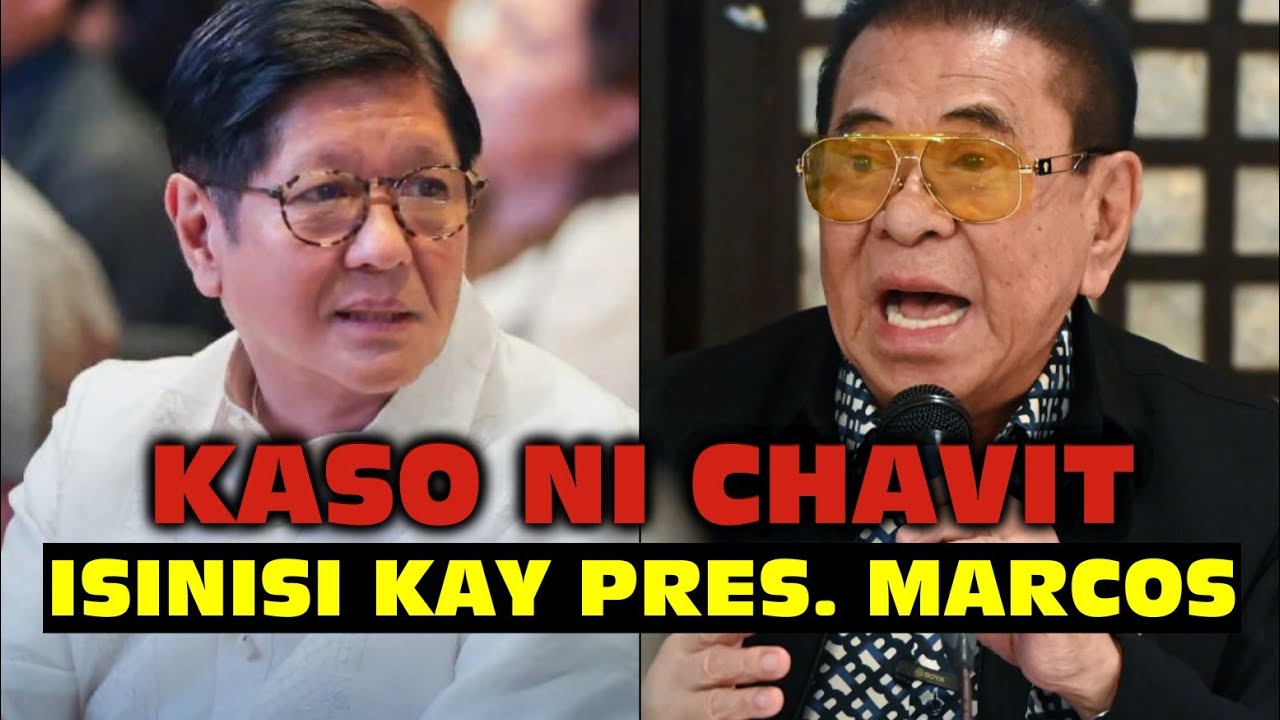
Former Ilocos Sur Governor Luis “Chavit” Singson—businessman, politician, and long-time power player in the North—is once again at the center of controversy. This time, the headlines are not about his wealth or influence but a plunder and graft case that could test the boundaries between justice and politics in the Philippines.
At the heart of the case is a property deal in Narvacan, Ilocos Sur, where Singson served as mayor. The municipality reportedly purchased land worth ₱49 million for an astonishing ₱149 million—a difference of ₱100 million in public funds that, according to complainants, ended up in private hands. The group behind the complaint, known as the Warriors of Narvacan, represents local farmers who say they have long been afraid to challenge one of the most powerful figures in their province.
But under the current administration, they claim to have finally found the courage to speak up.
The Political Storm
The filing of charges against Singson immediately triggered a political storm. Representative Paolo Duterte of Davao City—son of former president Rodrigo Duterte—slammed the move as “politically motivated,” calling it retaliation for Singson’s recent public criticism of President Ferdinand “Bongbong” Marcos Jr.
“This is getting ridiculous,” Duterte declared. “Has freedom of speech already disappeared in this country? Anyone who dares to speak against the administration gets charged. So this is the new normal now?”
His statement instantly ignited debate. Supporters of the former governor echoed the claim of political persecution, while others argued that the case was not about silencing dissent but about addressing long-standing allegations of corruption that had been buried for years.
Corruption or Free Speech?
Critics of Duterte’s claim were quick to push back. “This is not an issue of free speech,” one commentator noted. “Free speech allows you to criticize the government—but it doesn’t allow you to overprice public property and pocket taxpayer money.”
The argument is simple yet powerful. Freedom of expression is guaranteed under the Constitution, but it doesn’t shield anyone—no matter how influential—from accountability if public funds are misused.
The alleged overpricing of ₱100 million, according to those defending the case, has nothing to do with politics or censorship. It’s about the integrity of local governance and the misuse of public resources that should have benefited the people of Narvacan.
The “Warriors of Narvacan” Rise
Perhaps the most interesting aspect of the case is how it came about. The Warriors of Narvacan, a local group representing ordinary citizens and farmers, had reportedly been silent for years. They claim that during the administrations of Gloria Macapagal-Arroyo and Rodrigo Duterte, filing a case against someone as powerful as Singson was unthinkable.
Now, they say, the climate has changed. “Under PBBM, we feel we can finally be heard,” said one group member in a statement. “We’re not doing this for politics. We’re doing this for the people of Narvacan who were cheated out of ₱100 million.”
Ironically, some observers believe it was Singson’s own outspokenness that gave new life to the case. His public criticism of the Marcos administration, they argue, may have emboldened the Warriors to act—reviving a long-dormant case that had been quietly gathering dust.
Duterte’s Counterattacks
In a fiery defense of Singson, Rep. Paolo Duterte didn’t stop at questioning the charges. He also took swipes at the administration’s credibility, accusing it of hypocrisy and even alleging foreign interference. “When will you start filing cases against your own kind?” he asked, hinting at supposed scandals involving government allies and even taking a jab at President Marcos’s son, Sandro.
He went further, claiming that “the CIA is the one running this government,” suggesting that the Philippines was under foreign influence because of its cooling ties with China.
But critics quickly dismissed his remarks as baseless and conspiratorial. “Where’s the evidence?” one analyst asked. “Disagreeing with China doesn’t mean the CIA runs the government.”
The claim that the administration targets “truth-tellers” was also rebuffed. “What’s being targeted are not those who tell the truth,” the speaker countered, “but those who lie—and those who pretend to be clean while profiting from public office.”
The Bigger Picture
Beyond the political noise, the plunder case against Chavit Singson underscores a deeper issue: accountability among the country’s most powerful elites. Singson’s wealth and influence are legendary; he’s a businessman with ties across industries—from tobacco to media to luxury resorts. Few would dare challenge him.
And yet, here is a group of farmers and citizens doing exactly that.
Whether they succeed or not is another matter. Many are skeptical that Singson will ever see the inside of a jail cell. With vast resources and top-tier lawyers, he could delay the case for years, even decades. The Philippine justice system, after all, is no stranger to long and winding trials that end in frustration.
Still, there’s a growing hope that this time might be different—that the law could finally catch up, even briefly, with a man long seen as untouchable. Plunder, after all, is a non-bailable offense. Even the possibility of an arrest warrant would send a powerful message: that no one, not even a political titan, is above the law.
A Lesson in Silence
In the end, one remark from the speaker summed up the irony of it all: “Singson should’ve just stayed quiet and enjoyed his wealth.”
Instead, his own words may have triggered a storm he can no longer control.
As the case unfolds, it will test not only the country’s legal institutions but also the public’s faith in justice itself. Is this truly the dawn of accountability—or just another chapter in the long saga of Philippine politics where money, power, and pride collide?
For now, all eyes are on Narvacan—and on Chavit Singson, the man who may have spoken too loudly for his own good.
News

Ang High-Tech na Mansyon ni Alden: Bakit Ang Dream House ng Aktor ay Literally Katabi ng Bahay ni Kathryn Bernardo
Ang mundo ng showbiz ay isang entablado kung saan ang pangarap ay nagsasaling-wika sa katotohanan, at ang pag-ibig ay madalas…

Araw ni Bonifacio 2025: Ang Trillion Peso March, Pagtawag ni Catriona Gray sa Pananagutan, at Ang “Under Control” na Gulo sa Mendiola
Ang Araw ni Bonifacio, na ginugunita tuwing Nobyembre 30, ay tradisyonal na ginagamit bilang plataporma ng sambayanan upang ipahayag ang…

Ang Laban ng mga Mana: Eman vs. Jimwel Pacquiao – Sino sa mga Anak ni Manny Ang Hahawak sa World Title ng Boxing
Sa mundo ng professional boxing, ang pangalan ni Manny “Pacman” Pacquiao ay hindi lamang isang apelyido; ito ay isang simbolo…

Ginto, Bilyong Insertions, at Ang ICC Drama: Ang Naglalagablab na Katotohanan sa Likod ng Marcos Administration’s Sekreto
Ang pulitika sa Pilipinas ay muling nagliliyab, hindi dahil sa isang kakaibang celebrity gossip, kundi dahil sa mga seryoso at…

Ang Second Life sa Kabaong: Paano ang Isang Pari, na Dating Combat Medic, ang Nagbunyag ng Drug Smuggling at Nagligtas ng Buhay sa Gitna ng Libing
Ang buhay ay madalas na punong-puno ng pagbabago, at ang paghahanap ng layunin ay kung minsan ay matatagpuan sa mga…

Ang No-Fail Test ng Kabutihan: Paano ang Helicopter Crash ang Nagbunyag sa Tunay na Ugali ng Kasintahan at mga Empleyado ng Bilyonaryo
Ang tunay na yaman ay hindi nasusukat sa dami ng ari-arian o sa bigat ng bank account; ito ay matatagpuan…
End of content
No more pages to load