It was a morning like any other for Bollywood fans when the news spread like wildfire: Dharmendra, the legendary “He-Man” of Indian cinema, had reportedly passed away. Within minutes, social media platforms exploded with messages of grief, shock, and disbelief. Hashtags trended globally as fans expressed sorrow and disbelief at the news. Tributes began pouring in, and news channels quickly picked up the story. For a moment, it seemed as though the nation itself had stopped to mourn. Yet, beneath the frenzy, a critical question loomed: was this news real or merely another cruel rumor?
The actor, who has entertained generations with his charismatic presence and heroic roles, has always held a special place in the hearts of millions. The thought of losing Dharmendra felt deeply personal to fans who grew up watching classics like Sholay, Chupke Chupke, and Yaadon Ki Baaraat. As soon as the first posts appeared, many were quick to share and amplify the news without verifying the source. Within hours, misinformation had reached a critical mass, demonstrating the incredible power of social media in shaping public perception.
While fans mourned, the Deol family quickly moved to control the narrative. The first official response came from Esha Deol, Dharmendra’s daughter, who appeared on Instagram to clarify the truth. “Dad is stable and recovering at home. The news of his demise is completely false,” she said, her message calm yet firm. Within moments, this statement spread across news portals and social media, but the initial shock had already taken hold.
Meanwhile, Hema Malini, Dharmendra’s wife, expressed frustration over the rampant misinformation. “It’s very irresponsible to spread such news,” she said. Her tone reflected both exasperation and concern for the emotional wellbeing of the family. The fake news not only shocked fans but also caused unnecessary panic for relatives and friends. Hema’s words reminded viewers that misinformation could have real emotional consequences, even when the story itself is entirely fabricated.
Adding to the tension was Sunny Deol, Dharmendra’s son, who openly criticized the media and paparazzi for spreading unverified information. His statement was sharp: “Spreading rumors like this is shameful. We urge everyone to respect our father and family during this time.” Sunny’s words emphasized a broader point: in an age where information travels faster than verification, the lines between fact and fiction blur, leaving even the most legendary icons vulnerable to false narratives.
Fans reacted in waves. Some were relieved after hearing the official clarification, but many had already shared messages of condolence and tributes on social media, creating a surreal digital memorial for someone who was, in fact, alive. News portals began publishing stories about the “death hoax,” analyzing how and why the rumors began. Analysts noted that a combination of social media virality and misinterpretation of Dharmendra’s previous health updates had sparked the misinformation. Even a casual post about his hospitalization or health scare could be misconstrued as a death announcement.
The timeline of events quickly became crucial. Dharmendra had recently been hospitalized at Mumbai’s Breach Candy Hospital for a routine health checkup and treatment. While the family described his condition as stable and non-critical, social media users misinterpreted his absence from public appearances as a sign of severe illness. This misinterpretation spiraled into speculation, which then evolved into an outright rumor of death. In reality, Dharmendra had been resting at home under family care, with regular medical supervision ensuring his recovery.
Throughout this ordeal, the Deol family maintained a consistent message: truth over speculation. Each public statement reinforced Dharmendra’s wellbeing, urging fans to remain calm and avoid contributing to the spread of false news. The contrast between the initial panic and the eventual clarification highlighted the delicate balance celebrities and their families must navigate in the digital age. A single misinterpreted update could ignite mass hysteria, creating pressure on families to respond swiftly and publicly.
The emotional impact on fans was profound. Many shared stories of growing up watching Dharmendra’s films, describing him as a source of inspiration and strength. Online forums filled with posts reflecting personal connections to his work, and some fans admitted to feeling genuine grief before the truth emerged. This episode became more than just a rumor; it evolved into a reflection of collective fandom and the deep bond between a cinematic legend and his audience.
As the day progressed, major news outlets covered both the rumor and the family’s official statements. The narrative shifted from shock to relief, with headlines emphasizing that Dharmendra was alive and stable. Analysts dissected how the rumor began and the mechanisms through which social media amplifies misinformation. The incident also sparked broader conversations about media responsibility and the need for verification before publishing sensitive information, particularly regarding high-profile figures.
By evening, the immediate panic had subsided, but the story left lasting impressions. It underscored the vulnerabilities of even the most celebrated icons in the face of viral misinformation. Fans were reminded of the importance of critical thinking and patience before reacting to unverified news. For the Deol family, it was a test of composure, requiring careful management of public perception while safeguarding the emotional wellbeing of Dharmendra himself.
The rumor of Dharmendra’s death didn’t emerge in isolation; it was the culmination of several events that were misconstrued and amplified online. A clear timeline helps to understand how a single misinterpretation transformed into nationwide panic.
It began with reports that Dharmendra had been admitted to Mumbai’s Breach Candy Hospital for routine health monitoring. While the family consistently described his condition as stable, the absence of public appearances sparked speculation. Fans noticed that he had not posted updates on social media and that media coverage about him was minimal. In an era dominated by instant news, this gap in visibility became fertile ground for misinformation.
Within hours, a few social media accounts published unverified news claiming that the actor had passed away. These posts quickly went viral, with platforms like Twitter, Instagram, and WhatsApp spreading the rumor. Hashtags related to his death trended nationwide, creating a sense of urgency and grief. Memes, condolence messages, and tributes began circulating even before the family had issued any statement. Some users even mistakenly shared old photos and hospital visits as proof of the alleged demise, further fueling panic.
As the situation escalated, the Deol family stepped in to clarify. Esha Deol, the daughter, posted a heartfelt message on Instagram emphasizing that her father was alive and under stable care. “Dad is stable and recovering at home. The news of his demise is completely false,” she wrote. This simple statement instantly became viral and was covered by multiple credible media outlets, from Times of India to Economic Times. The clarity provided by Esha’s message helped reduce confusion but could not immediately undo the initial shock among fans.
Hema Malini, Dharmendra’s wife, also took to social media to address the rumors. Her statement combined frustration and concern: “It is very irresponsible to spread such news. Please respect our privacy.” She highlighted the emotional toll misinformation can have, not only on the family but also on loyal fans who had rushed to pay tribute. Hema’s response emphasized accountability in reporting and shared a subtle warning against sensationalism.
Sunny Deol, Dharmendra’s son, added a stern voice to the clarification. He criticized media channels and social platforms for spreading unverified information and urged fans to trust the family’s updates instead of rumors. His statement was particularly effective in curbing panic among viewers, demonstrating the influence of family voices in shaping public perception during crises. Fans praised Sunny for his candidness, with many echoing his call to verify information before sharing.
In the days following the rumor, the media played a crucial role in both amplifying and correcting the narrative. News portals published detailed reports explaining how the misinformation began, tracing it to a combination of misinterpreted hospitalization updates and viral social media posts. Analysts highlighted the speed at which rumors spread online and discussed the psychological impact on fans, noting that even celebrities of Dharmendra’s stature are vulnerable to misinformation in today’s digital environment.
Fans responded with a mix of relief, guilt, and curiosity. Many expressed their initial grief, admitting that they had believed the news before seeing official statements. Social media conversations shifted from mourning to appreciation, with users celebrating Dharmendra’s recovery and sharing messages of love and support. Some fans even organized online campaigns to “spread the truth,” countering false reports with verified updates from the Deol family.
The family also took proactive steps to maintain transparency and manage public concern. Updates about Dharmendra’s health were shared carefully, emphasizing stability and recovery while avoiding unnecessary medical details. This strategy allowed fans to remain informed without compromising privacy. Media teams coordinated with family representatives to ensure that the information circulated was accurate, reducing the risk of further rumors.
During this period, Dharmendra himself remained relatively private, allowing his family to communicate on his behalf. Occasional glimpses of him at home, smiling and resting, were shared in controlled media releases. These images reassured fans and demonstrated that the actor was receiving proper care and attention. The careful curation of updates also highlighted the family’s ability to manage sensitive situations, balancing transparency with dignity.
The timeline of responses and corrections illustrates the modern challenges of celebrity news. A simple misunderstanding can become a nationwide event within hours, with social media acting as both the amplifier and the corrector. The Dharmendra case became a textbook example of how misinformation spreads, and how timely interventions by family and credible media can restore truth. It also highlighted the emotional bond between celebrities and fans, showing how quickly concern can transform into panic and then relief.
By the end of this phase, the false death rumor had been fully addressed, but its impact lingered. Fans remained attentive, closely following every update, while media analysts discussed lessons in misinformation and responsible reporting. The incident demonstrated the power of family communication, the importance of social media verification, and the enduring affection millions hold for Dharmendra.
With the clarification from the Deol family, the initial panic over Dharmendra’s supposed demise gradually gave way to relief and celebration. Fans who had rushed to pay tribute online realized they had been caught in a whirlwind of misinformation, yet their emotional investment reflected the deep bond they share with the veteran actor. For many, Dharmendra is not just a star but a symbol of enduring charisma and moral integrity, and the rumor highlighted just how much his presence means in the lives of viewers across generations.
The global reaction was remarkable. Bollywood fans from countries such as the United States, United Kingdom, Canada, and the Middle East took to social media, sharing expressions of shock and relief. International fan clubs posted detailed updates, clarifying the false news and reaffirming their admiration for Dharmendra. Messages poured in not only from Indian audiences but also from diaspora communities who grew up watching his films, showing that the emotional impact of celebrity extends well beyond borders. This cross-cultural concern demonstrated the universal appeal of Dharmendra’s work and the deep loyalty he commands among fans worldwide.
Media analysts observed that the Dharmendra incident underscores a critical phenomenon in the digital age: the rapid spread of misinformation and the difficulty of controlling narratives once they gain momentum. While social media platforms provide immediacy and reach, they also amplify errors, turning a minor misunderstanding into a major event within hours. The case also highlighted the responsibility of both media and audiences to verify information before reacting, especially in situations involving health or personal privacy.
The Deol family’s response, combining direct statements from Esha, Sunny, and Hema Malini with carefully curated images of Dharmendra at home, exemplified effective crisis communication. By presenting transparent and consistent updates, they managed to reassure fans while maintaining the actor’s privacy. This approach not only calmed immediate fears but also set a precedent for how celebrity families can navigate misinformation crises responsibly.
Psychologically, the rumor had a profound effect on fans. Many reported experiencing grief, anxiety, and relief within a short span of time. The collective emotional rollercoaster underscored the depth of attachment between audiences and public figures, particularly those whose careers span decades. In this case, the misinformation inadvertently highlighted the role of nostalgia, admiration, and personal connection in shaping reactions to celebrity news.
For Dharmendra himself, the episode became a moment of reflection on his enduring influence. While he remained private during the incident, observing from behind the scenes, the sheer volume of concern and affection demonstrated the legacy he has built over nearly six decades in cinema. Fans’ unwavering attention and the family’s careful handling of the situation underscored the mutual responsibility between celebrities and audiences in maintaining trust and authenticity.
From a broader perspective, the Dharmendra rumor offers lessons in media literacy. Audiences worldwide are reminded to critically evaluate information, check sources, and avoid amplifying unverified news. Platforms themselves have a role to play in curbing the spread of false information, using verification mechanisms and alerts to prevent panic. In this context, the incident serves as both a cautionary tale and an example of how effective communication can counteract the destabilizing effects of rumors.
The incident also highlighted the intersection of celebrity culture and digital influence. Dharmendra, an iconic figure, became a focal point not just for admiration but for the way misinformation can affect real-world emotions and perceptions. The response of his family, coupled with fans’ dedication, illustrated the delicate balance of public attention, personal privacy, and responsibility in the age of instant communication. It demonstrated that even legends are not immune to the rapid spread of false narratives, but timely, transparent communication can restore truth and calm.
Ultimately, the Dharmendra episode concludes as a story of resilience, responsibility, and the enduring power of love from fans. The actor remains stable and recovering, his family unified in communication, and fans worldwide reassured of his wellbeing. Social media, initially a vehicle for panic, transformed into a platform for truth, reflection, and renewed appreciation of a cinematic icon. This event reminds us that in an era of rapid information, verification and empathy are crucial, and the emotional bonds between celebrities and audiences are stronger than fleeting rumors.
In conclusion, the false news of Dharmendra’s death was a moment of crisis that revealed the dynamics of modern celebrity culture, digital misinformation, and fan devotion. The Deol family’s strategic communication ensured clarity, maintained dignity, and preserved the actor’s privacy. Fans across India and globally were reminded of Dharmendra’s lasting legacy, while media and social platforms faced a call to responsibility. Above all, the incident highlighted the enduring admiration and emotional connection that a true cinematic legend commands—proof that even false rumors cannot diminish the love millions hold for Dharmendra.
News
Hema Ji Breaks Silence After Dharmendra’s Passing: Social Media Reacts to Emotional Posts
The world paused for a moment when the news of Dharmendra’s passing spread. Bollywood’s “He-Man,” a figure larger than life,…
Hema Malini Health Rumors Rise After Dharmendra’s Hospital Scare: What’s Really Happening?
The first whispers came quietly, almost like a shadow sliding across the walls of social media. Hema Malini, the timeless…
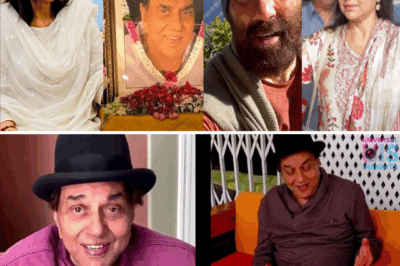
A Quiet Ritual, A Shattered Heart: What Really Stopped Hema Malini at Dharmendra’s Side?
Hema Malini had lived a life in the public eye for more than five decades, but nothing prepared her for…
Bigg Boss 19 Episode 100: Tanya Sparks Intense Fight With Gaurav
Bigg Boss 19 Episode 100, airing on 1st December 2025, marked a milestone not only because it was the 100th…
Bigg Boss 19 Promo 1st December 2025: Contestants Face Media Questions Live
Bigg Boss 19 reached a new milestone with Episode 100, airing on 1st December 2025, and fans were treated to…
Bigg Boss 19 Drama: Amaal Malik Cries After Shehbaz Badesha Evicted
The Bigg Boss 19 house was filled with tension and anticipation as Shehbaz Badesha’s eviction was announced. While many contestants…
End of content
No more pages to load