
The latest episode of Bigg Boss 19 has once again put the spotlight on the house’s most intense and emotionally charged conflict, centering on Tanya Mittal, Amaal Mallik, and Manu Punjabi’s intervention. The drama escalated when Amaal, in a heated exchange during one of the house tasks, referred to Tanya Mittal as “ganda khoon,” a remark that immediately drew shock, anger, and widespread condemnation from both viewers and industry peers. What might have been just another heated moment in the Bigg Boss house quickly transformed into a national conversation about respect, dignity, and accountability in reality television.
Tanya Mittal, who has been navigating the complex dynamics of the house with intelligence and poise, found herself the target of this offensive comment. Fans who have followed her journey noted that she had already endured multiple provocations from Amaal, ranging from verbal jabs to confrontational behavior. Yet, through all of this, Tanya maintained her composure, refusing to retaliate with aggression, instead using measured words to assert her dignity. Her calm yet firm response in front of the cameras highlighted her resilience and emotional strength, qualities that have won her admiration among fans across the nation.
The moment that ignited the social media storm occurred during a task where tensions were already running high. Amaal, frustrated by Tanya’s refusal to align with certain group decisions, allegedly let his emotions take control, uttering the derogatory phrase. While the house environment is designed to test the limits of emotional endurance and strategy, the severity of the remark crossed a line for many viewers. The comment was widely circulated online, with fan pages, YouTube reaction videos, and social media threads dissecting both the context and the implications of Amaal’s words.
It was Manu Punjabi’s intervention, however, that brought the conflict to a new level of public attention. Manu, known for his candid and outspoken personality, did not hesitate to publicly criticize Amaal’s behavior. Through social media posts and interviews, Manu condemned the remark, emphasizing the importance of respect even within the competitive and high-pressure confines of a reality show. “There’s no excuse for calling anyone that, no matter how heated the game gets,” Manu stated. “Tanya deserves respect, and such behavior cannot be tolerated.” His comments resonated strongly with fans, who appreciated his willingness to speak up on behalf of a fellow participant.
The reaction among viewers was swift and intense. Social media erupted with hashtags like #SupportTanyaMittal, #StopDisrespect, and #ManuStandsForRespect. Fans praised Manu for confronting the issue head-on while continuing to emphasize Tanya’s dignity. The incident sparked broader discussions about the treatment of women in reality television, the responsibilities of contestants under constant surveillance, and the ways in which verbal aggression can impact both the mental and emotional well-being of housemates. One viral tweet read, “Tanya has handled everything with grace. Manu Punjabi is right—respect is non-negotiable.”
Industry observers also weighed in, noting that the Bigg Boss format, while inherently dramatic, has an ethical responsibility to protect participants from demeaning or harmful interactions. Experts suggested that the show’s producers monitor such incidents closely, ensuring that offensive remarks are addressed appropriately to maintain the balance between entertainment and contestant welfare. In Tanya’s case, Manu’s public criticism further amplified the importance of accountability, sending a message that the wider audience will not tolerate disrespect.
The dynamic within the house, however, is far from simple. While Amaal’s actions have been criticized, some observers note that the pressures of the game, combined with personal rivalry and strategic gameplay, contribute to heightened emotional responses. Inside the house, every gesture, word, and interaction carries weight, influencing alliances and viewers’ perceptions alike. Tanya, aware of these dynamics, continues to navigate them with care, balancing assertiveness with diplomacy, and earning respect both from the audience and some of her fellow contestants.
Fan communities have played a crucial role in amplifying this narrative. Instagram pages dedicated to Tanya Mittal and Bigg Boss 19 have meticulously shared clips, screenshots, and commentary analyzing Amaal’s behavior. YouTube reaction videos have attracted thousands of views, with content creators praising Tanya’s resilience and critiquing Amaal’s verbal aggression. In forums like Reddit, fans have debated not just the immediate incident but the broader implications for ethical conduct in reality television, arguing that Manu Punjabi’s intervention sets a precedent for defending dignity in competitive environments.
The emotional intensity of the moment also prompted broader conversations about accountability beyond the house. While viewers debated whether Amaal’s words were strategic, emotional, or deliberate disrespect, the consensus leaned heavily toward the latter. Manu Punjabi’s stance reinforced this viewpoint, emphasizing that being in a competitive setting does not justify derogatory language or disrespectful behavior. His advocacy on behalf of Tanya highlights how figures outside the immediate environment of the show can influence the narrative, shaping public opinion and moral standards in entertainment.
As the Bigg Boss 19 season progresses, all eyes are now on the evolving dynamics between Tanya Mittal, Amaal Mallik, and other contestants. Analysts predict that Tanya’s composure, combined with vocal support from figures like Manu Punjabi, will strengthen her position both in the house and in the court of public opinion. Fans are closely watching how Amaal responds to the backlash, speculating whether he will attempt to reconcile, modify his behavior, or continue with his confrontational approach. Each decision carries potential consequences, influencing voting outcomes, alliances, and audience sentiment.
Moreover, the incident has highlighted the role of audience engagement in shaping reality television narratives. Through social media, viewers are no longer passive observers; they actively participate in holding contestants accountable, advocating for fairness, and expressing ethical expectations. The widespread support for Tanya Mittal, coupled with Manu Punjabi’s intervention, illustrates how collective sentiment can impact both the immediate trajectory of the show and the reputations of those involved.
The controversy also underscores broader themes about respect, resilience, and the importance of standing up against verbal abuse. Tanya’s measured responses, her focus on maintaining dignity, and the solidarity shown by Manu Punjabi reflect a narrative that transcends the boundaries of entertainment. It is a reminder that behind the spectacle, real individuals navigate complex emotional landscapes, and their well-being deserves recognition and protection.
As this chapter of Bigg Boss 19 unfolds, the public remains deeply invested in the outcomes of the conflict. Will Amaal apologize and seek to repair relationships, or will tensions continue to escalate? How will Tanya leverage her composure, intelligence, and growing fan support to navigate the challenges ahead? And how will Manu Punjabi’s vocal stance influence the broader ethical discourse within the reality show environment? These questions remain central as viewers tune in, engage online, and debate the implications of every action and word.
Ultimately, the episode serves as a case study in emotional resilience, ethical conduct, and the power of advocacy. Tanya Mittal’s response to adversity, supported by Manu Punjabi’s intervention, demonstrates that courage, dignity, and integrity can prevail even in highly competitive, high-pressure settings. The incident has sparked reflection among fans, contestants, and media alike about how respect and accountability intersect with strategy and entertainment in modern reality television.
In conclusion, the conflict surrounding Tanya Mittal and Amaal Mallik, amplified by Manu Punjabi’s outspoken support, has become more than a televised incident; it is a cultural moment. It invites viewers to consider the human impact of reality television, the importance of standing up for what is right, and the ways in which public engagement can shape narratives, reinforce ethical standards, and celebrate resilience. As the season continues, fans, commentators, and industry insiders will undoubtedly continue to watch closely, invested not only in the game but in the affirmation that dignity and respect can—and must—prevail.
The aftermath of Amaal Mallik’s offensive remark about Tanya Mittal, and Manu Punjabi’s decisive intervention, has transformed the Bigg Boss 19 house drama into a full-blown social media spectacle. Across platforms like Instagram, Twitter, YouTube, and Reddit, fans are dissecting every detail, reacting with emotion, and mobilizing to support Tanya while holding Amaal accountable. The situation has sparked not just outrage but a broader conversation about ethics, respect, and the power dynamics in reality television.
On Instagram, dedicated fan accounts for Tanya Mittal are thriving. These accounts post clips of the controversial moment, juxtaposing Tanya’s calm and dignified responses against Amaal’s aggressive behavior. Each post is accompanied by hashtags like #SupportTanyaMittal, #StopDisrespect, and #ManuStandsForRespect, amplifying the narrative to thousands of followers. Fans comment with admiration for Tanya’s composure, sharing personal messages of solidarity and recounting how they, too, have faced moments of disrespect in their own lives. The engagement on these posts shows a deeply invested audience, emotionally aligning with Tanya’s journey.
Twitter has become a forum for rapid-fire commentary, real-time reactions, and strategic discussions. Within minutes of the episode airing, hundreds of tweets expressed shock and anger, often tagging the show, the contestants, and Manu Punjabi. Some users praised Manu for his bold stance, arguing that celebrities speaking up for contestants can make a tangible difference in shaping the show’s ethical boundaries. Others engaged in heated debates about whether Amaal’s remark was a lapse in judgment or part of a strategic gameplay maneuver. The viral nature of these discussions underscores the participatory role of the audience in modern reality television.
YouTube reaction videos have emerged as another crucial platform, with influencers analyzing the incident in detail. Content creators repeatedly highlight Tanya’s emotional intelligence, emphasizing how she maintained dignity under provocation. Several reaction videos showcase side-by-side comparisons of the verbal exchange, Manu Punjabi’s statements, and fan responses, creating a layered narrative that contextualizes the conflict. Thousands of comments reflect the polarized opinions of viewers—some vehemently defending Tanya, others scrutinizing Amaal’s intent, and yet others debating the responsibilities of reality TV producers. The comments often evolve into mini-discussions about morality, strategy, and personal boundaries.
Reddit threads have similarly become hotspots for detailed analysis. Fans engage in episode-by-episode breakdowns, examining body language, tone of voice, and subtle cues that reveal power dynamics. Many threads focus on predicting how the conflict might affect future alliances in the house. “Tanya’s fan base is growing exponentially after this incident,” one user observed. “Amaal’s reputation might suffer unless he takes corrective action or demonstrates genuine remorse.” Other threads discuss how Manu Punjabi’s outspoken criticism could influence the show’s moderators to address conflicts more strictly, signaling that external voices matter in shaping the internal environment.
Memes, GIFs, and short video clips have also become popular, providing both humor and social commentary. Memes often depict Tanya as resilient and composed, contrasting with exaggerated portrayals of Amaal’s aggressive reactions. These pieces of digital content are widely shared, generating discussion while keeping the controversy trending. Fans note that memes and GIFs, while humorous, also serve a serious purpose: reinforcing public sentiment and ensuring that disrespectful behavior is not normalized or forgotten.
The online engagement has direct implications for the contestants’ trajectories in the house. Public sentiment, heavily shaped by social media reactions, can influence voting patterns, popularity metrics, and producer decisions. Tanya’s growing fan support provides her with both psychological reinforcement and tangible advantages in the competitive structure of Bigg Boss. Meanwhile, Amaal’s digital backlash may prompt strategic recalibration, encouraging him to adjust behavior, repair relationships, or mitigate negative perceptions before they significantly impact his standing.
Looking ahead, analysts predict several potential developments in the house dynamics. Tanya, emboldened by public support and Manu Punjabi’s intervention, may continue to assert her boundaries while forming strategic alliances. Amaal may face a crossroads: either address the backlash with visible corrective action or risk further alienation. The interplay between these strategies will be critical in determining how the conflict evolves, who gains influence among housemates, and how viewers continue to perceive each contestant.
Moreover, Manu Punjabi’s intervention has set a precedent for accountability. Contestants, aware that external figures and fans are monitoring interactions, may be more cautious in their behavior. Analysts suggest that this could lead to either temporary tension reduction or strategic posturing, as housemates navigate a delicate balance between emotional reactions and audience perception. Tanya, having demonstrated composure under pressure, appears poised to capitalize on this shift, reinforcing her position both in the house and in public opinion.
Fan mobilization also highlights the evolving role of the audience in reality television. No longer passive observers, viewers actively participate in shaping narratives, advocating for fairness, and defending contestants’ dignity. Campaigns on social media, coordinated support messages, and active engagement with content have made it clear that public sentiment can significantly impact both immediate house dynamics and long-term reputations. Tanya’s journey has become emblematic of how audience involvement can reinforce ethical expectations and elevate conversations about respect and integrity.
The broader cultural conversation has been enriched by this controversy. Discussions about mental health, emotional well-being, and the pressures of constant surveillance have emerged in mainstream media and fan communities alike. Tanya’s calm, measured responses offer a model of resilience and self-respect, prompting viewers to reflect on how they navigate interpersonal conflict in their own lives. Meanwhile, Amaal’s situation underscores the consequences of impulsive or disrespectful behavior, reminding contestants and viewers alike that accountability matters in both televised and real-world settings.
In conclusion, the conflict between Tanya Mittal and Amaal Mallik, amplified by Manu Punjabi’s outspoken support, has transcended the Bigg Boss house to become a multi-platform cultural conversation. Fans, influencers, and commentators are engaging in a nuanced discussion about strategy, ethics, respect, and emotional intelligence. The incident illustrates the transformative power of social media in shaping narratives, influencing audience sentiment, and holding individuals accountable for their behavior.
As the season progresses, all eyes remain on how Tanya and Amaal navigate this high-stakes environment. Will Tanya continue to consolidate her position with dignity and strategy? Can Amaal recalibrate his approach to regain favor with viewers and housemates? And how will Manu Punjabi’s intervention continue to influence the broader ethical discourse surrounding the show? Fans eagerly await the next episodes, aware that the resolution of this conflict will leave a lasting impact on the storylines, alliances, and ultimately, the legacy of Bigg Boss 19.
In the end, this incident is more than just a reality TV spat—it is a study in human behavior under pressure, the importance of respect and accountability, and the power of public advocacy. Tanya Mittal, supported by fans and Manu Punjabi alike, demonstrates that resilience, composure, and integrity can prevail, even in the most competitive and emotionally charged environments. Amaal Mallik’s journey, conversely, serves as a cautionary tale of how words, actions, and public perception intertwine in high-stakes settings. Together, these narratives define a season of Bigg Boss that will be remembered not just for entertainment, but for its lessons on dignity, courage, and the influence of a vigilant audience.
As Bigg Boss 19 heads toward its climax, the spotlight firmly rests on Tanya Mittal and Amaal Mallik, with Manu Punjabi’s intervention continuing to reverberate both inside the house and across social media. Analysts, fans, and commentators are speculating on how the interplay of strategy, public perception, and alliances will determine the season’s outcome. Tanya, who has earned widespread admiration for her composure, intelligence, and ethical conduct, appears well-positioned to leverage both her in-house influence and the unwavering support of fans outside.
Tanya’s strategy in the final phase revolves around maintaining her dignity while solidifying key alliances. Her approach is subtle yet powerful: she avoids unnecessary confrontations, focuses on collaborative tasks, and communicates clearly with allies, ensuring her voice is heard without escalating conflicts. By doing so, Tanya not only strengthens her game within the house but also builds a narrative of resilience and moral integrity that resonates strongly with the audience. Fans see her as the embodiment of strategic patience, a contestant who can win without compromising principles.
Amaal Mallik, on the other hand, faces the dual challenge of repairing his reputation and recalibrating his strategy. The backlash following his “ganda khoon” remark, amplified by Manu Punjabi’s public condemnation, has placed him under intense scrutiny. Analysts suggest that his path to redemption requires visible efforts to rebuild relationships in the house, genuine displays of respect toward fellow contestants, and careful attention to how his actions are perceived by the audience. Failure to adapt could risk further alienation, both from housemates and the fan base, potentially undermining his chances in the final vote.
Manu Punjabi’s influence continues to be significant. By publicly defending Tanya, Manu not only amplified awareness of Amaal’s inappropriate remark but also shaped the broader narrative of fairness and respect in the show. His intervention has added moral weight to Tanya’s position, creating an ethical benchmark that contestants and viewers are now closely watching. Analysts note that such interventions can indirectly influence voting behavior, as fans are more likely to support contestants who are perceived as ethically upright and unjustly treated. Manu’s actions reinforce the importance of accountability, demonstrating that external voices can impact the internal dynamics of reality television.
Fan engagement has been pivotal in this final phase. Social media platforms are flooded with predictions, supportive campaigns, and detailed analyses of house dynamics. Hashtags like #SupportTanyaMittal, #BiggBoss19Justice, and #ManuStandsForRespect continue to trend, reflecting both the intensity of fan investment and their influence on public perception. Many fan accounts post comparative analyses of Tanya and Amaal’s behavior, highlighting Tanya’s composure against Amaal’s missteps. These digital campaigns have turned the audience into active participants in shaping the outcome of the season.
Voting trends, based on social media sentiment and early fan surveys, suggest a strong edge for Tanya. Her narrative of dignity under pressure, combined with the ethical intervention by Manu Punjabi, has resonated deeply with viewers. Analysts point out that this support is not just about popularity; it is a reflection of audience values, with fans favoring contestants who balance strategy with integrity. Tanya’s consistent behavior, strategic alliances, and public image as a resilient yet fair competitor have positioned her favorably as the season moves toward its conclusion.
Amaal’s strategy in these final episodes involves damage control and tactical recalibration. He is reportedly focusing on cooperative tasks, reducing conflict, and attempting to rebuild rapport with housemates. Observers suggest that his success depends on demonstrating a tangible shift in behavior—moving from reactive aggression to composed engagement. Any misstep, particularly in interactions with Tanya or other key housemates, could exacerbate public criticism and diminish his chances of securing fan votes.
The influence of Manu Punjabi, however, cannot be overstated. Beyond defending Tanya, his public statements serve as a reminder of the ethical expectations of contestants and the role of accountability in reality TV. Analysts argue that his intervention could indirectly pressure Amaal to modify his behavior, while simultaneously reinforcing Tanya’s moral and strategic position. By framing the conflict in ethical terms, Manu has helped the audience interpret events beyond mere entertainment, highlighting themes of respect, integrity, and emotional intelligence.
As the season approaches the finale, the predicted outcome appears to favor Tanya Mittal, supported by both fan advocacy and ethical framing of her in-house behavior. However, Bigg Boss is unpredictable, and alliances, twists, or unexpected conflicts could alter the trajectory. Analysts emphasize that while Tanya’s public perception is strong, the final outcome will depend on real-time decisions, strategic gameplay, and her ability to maintain composure under the heightened pressure of the finale.
The broader impact of this conflict extends beyond individual contestants. It has sparked conversations about behavior standards in reality television, the role of mentors and industry figures in shaping narratives, and the influence of social media on outcomes. Tanya’s journey, bolstered by Manu Punjabi’s ethical stance, exemplifies how dignity, resilience, and fan engagement intersect to create a powerful narrative that resonates widely. Meanwhile, Amaal’s trajectory highlights the consequences of misjudged actions and the challenges of reputation management in a highly scrutinized environment.
In conclusion, the saga of Tanya Mittal, Amaal Mallik, and Manu Punjabi in Bigg Boss 19 is a multifaceted story of strategy, ethics, and public perception. Tanya’s composure and strategic intelligence, combined with Manu Punjabi’s vocal support, position her as a strong contender for the finale. Amaal’s journey underscores the importance of accountability, adaptation, and the delicate balance between competitive gameplay and ethical conduct. The intersection of fan advocacy, social media influence, and in-house dynamics demonstrates that reality television is not merely a game but a complex interplay of human behavior, moral judgment, and audience engagement.
Ultimately, the final episodes will reveal whether strategy and integrity align in Tanya’s favor, how Amaal navigates redemption, and what lasting impact Manu Punjabi’s intervention has on the broader narrative. For viewers, this is more than entertainment; it is a compelling study of courage, resilience, and the power of ethical advocacy in a high-pressure, highly visible environment. As the season concludes, the story of Tanya Mittal, supported by fans and Manu Punjabi, serves as a testament to the enduring significance of respect, integrity, and strategic intelligence in shaping not just outcomes, but the cultural narrative of reality television.
News
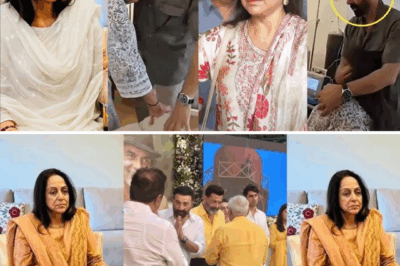
Hema Ji Breaks Silence After Dharmendra’s Passing: Social Media Reacts to Emotional Posts
The world paused for a moment when the news of Dharmendra’s passing spread. Bollywood’s “He-Man,” a figure larger than life,…

Hema Malini Health Rumors Rise After Dharmendra’s Hospital Scare: What’s Really Happening?
The first whispers came quietly, almost like a shadow sliding across the walls of social media. Hema Malini, the timeless…
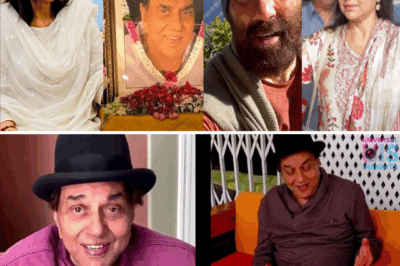
A Quiet Ritual, A Shattered Heart: What Really Stopped Hema Malini at Dharmendra’s Side?
Hema Malini had lived a life in the public eye for more than five decades, but nothing prepared her for…
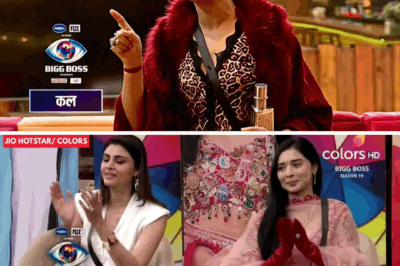
Bigg Boss 19 Episode 100: Tanya Sparks Intense Fight With Gaurav
Bigg Boss 19 Episode 100, airing on 1st December 2025, marked a milestone not only because it was the 100th…
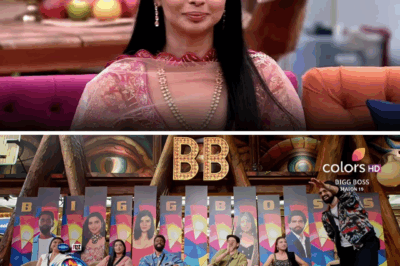
Bigg Boss 19 Promo 1st December 2025: Contestants Face Media Questions Live
Bigg Boss 19 reached a new milestone with Episode 100, airing on 1st December 2025, and fans were treated to…
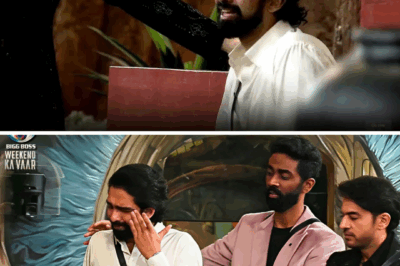
Bigg Boss 19 Drama: Amaal Malik Cries After Shehbaz Badesha Evicted
The Bigg Boss 19 house was filled with tension and anticipation as Shehbaz Badesha’s eviction was announced. While many contestants…
End of content
No more pages to load