
Shockwaves rippled across Bollywood and beyond as viral reports claimed that Dharmendra, the evergreen action hero of Indian cinema, had passed away at the age of 89. Panic spread rapidly across social media platforms, with millions of fans expressing disbelief, grief, and shock. Headlines flashed, “Dharmendra passes away at 89,” sparking a storm of tributes, prayers, and speculation. Yet amidst the chaos, the truth emerged: Sunny Deol, Dharmendra’s son, clarified that the legendary actor is alive, stable, and receiving proper medical care, revealing how quickly misinformation can ignite frenzy in today’s digital age.
The situation underscores both the fragility of human life and the volatility of online spaces. Dharmendra, revered for decades for his larger-than-life persona and cinematic legacy, has long been an icon not just for his action-packed roles but also for his warmth, humility, and connection with fans. The reports of his death, though false, brought the nation together in shared concern and emotional solidarity. Fans flooded Twitter, Instagram, and Facebook, some expressing relief upon confirmation of his stability, others questioning the rapid spread of false information.
Hospital sources confirmed that the actor was admitted for observation after experiencing breathlessness, a condition not uncommon for someone of his age. Contrary to viral claims, Dharmendra is not on a ventilator, and his condition is currently stable. His family, including Sunny Deol, Hema Malini, and other close relatives, has been by his side, coordinating with medical professionals and monitoring his recovery. This careful attention reflects the deep familial bonds and the culture of privacy maintained even for a public figure of his stature.
Social media’s role in amplifying the false news cannot be overstated. Viral posts, some originating from unverified sources, created panic within hours. Hashtags like #RIPDharmendra and #DharmendraDeathTrend were trending, showing the sheer speed at which rumors can travel in the digital age. Memes, reaction videos, and speculations flooded platforms, demonstrating the participatory culture of modern fandom. While some expressed grief, others criticized the reckless spread of unverified information, reminding audiences of the responsibility inherent in sharing content about public figures.
The public’s reaction showcased a fascinating mix of emotion and cultural connection. Many fans posted messages recalling Dharmendra’s iconic moments in films like Sholay, Chupke Chupke, and Phool Aur Patthar, blending nostalgia with genuine concern for his wellbeing. Digital vigils were observed, with fans creating posts and images celebrating his life and praying for his health. The incident became not just a story about a celebrity’s health but a collective moment of emotional bonding for millions of admirers worldwide.
Industry colleagues also weighed in. Bollywood veterans and contemporary stars expressed relief and hope for Dharmendra’s full recovery. Tributes flooded Instagram and Twitter, emphasizing the actor’s enduring legacy and his influence on generations of actors and fans alike. The juxtaposition of panic over false reports with genuine concern after clarification highlighted the delicate balance of fame, age, and public perception in modern celebrity culture.
The viral nature of the misinformation also highlighted a broader societal lesson about the rapid spread of news online. Experts in media and communication pointed out that such events exemplify how quickly unverified reports can become perceived truths, underscoring the need for critical media literacy. For fans, the experience was a reminder of both the power and responsibility inherent in social media. While collective concern can be a force for empathy and support, unchecked information can just as easily amplify fear and misunderstanding.
Amid all this, Dharmendra remains the central figure of admiration. Even in a vulnerable moment, his legacy overshadows panic. Fans celebrated his decades-long career, recalling his charm, courage, and memorable performances. Posts ranged from heartfelt prayers to nostalgic clips, showing how the actor’s influence extends far beyond cinema into personal connections with audiences. In every corner of digital space, the prevailing sentiment was relief, hope, and the reaffirmation of a cultural icon’s timeless presence.
Sunny Deol’s statement served as a crucial anchor amid the storm. His reassurance not only corrected misinformation but also highlighted the human side of celebrity—families caring for their own, managing private matters amid public attention. The response also reflected how media, fans, and families negotiate the tension between public curiosity and personal privacy, balancing transparency with protection of intimate health matters.
In conclusion, the viral reports of Dharmendra’s passing at 89 were a stark reminder of the volatility of information in the digital age. While the panic showcased the depth of fan devotion and cultural significance of the actor, the clarification reaffirmed the importance of verifying news before accepting or sharing it. Dharmendra remains alive, under care, and stable, embodying resilience, legacy, and the enduring connection between a legendary actor and generations of fans. The incident, though alarming, became a collective experience of hope, concern, and celebration of a life that continues to inspire.
As fans continue to send prayers, messages, and digital tributes, the story serves as a profound example of how celebrity, culture, and social media intersect, and how the strength of public empathy can be mobilized in moments of uncertainty. Dharmendra, the Evergreen Hero, stands resilient—not just on screen, but in the hearts of millions who await his recovery with bated breath.
As news of Dharmendra’s hospitalization spread, the digital world went into overdrive. Viral clips, tweets, and Instagram posts flooded feeds, often blending speculation, emotion, and humor. Memes quickly emerged, portraying exaggerated scenarios of panic, fan prayers, and media frenzy, while reaction videos on YouTube analyzed every frame of the actor’s last public appearance. Social media became both a stage and a newsroom, where millions of fans debated, expressed concern, and tried to verify the truth. This whirlwind demonstrated how deeply intertwined Bollywood legends are with the online imagination of their followers.
Twitter became the epicenter of discussion. Hashtags like #DharmendraAlive, #PrayForDharmendra, and #DharmendraHospitalized trended nationally within hours, showing the intense engagement of fans. Every tweet carried emotion—some were heartfelt prayers for the actor’s recovery, others were critical of platforms and users who spread false death rumors. Viral posts juxtaposed nostalgic movie scenes with current updates, highlighting the actor’s decades-long legacy while expressing collective anxiety over his health. Memes ranged from lighthearted to satirical, showing the dual nature of digital fandom: it entertains while simultaneously advocating for the truth.
Instagram reels and TikTok added another layer to the viral story. Creators recreated news reports, dramatized hospital scenarios, or animated fan reactions, turning real-life concern into creative commentary. Short clips of fans holding digital vigils, praying for Dharmendra, or expressing disbelief at rumors gained millions of views within a day. These viral videos acted as both a release valve for public anxiety and a platform for community solidarity, showing how audiences process shocking news through shared humor, creativity, and emotion.
Fan communities on Facebook and WhatsApp organized informal digital campaigns to support Dharmendra. Images of the actor in iconic movie roles were shared with captions like “Our Evergreen Hero is still with us” or “Prayers for Dharmendra.” Posts highlighted his contribution to Indian cinema, emphasizing how a single individual can inspire generations. Fan groups urged others to avoid sharing unverified news, creating a collective effort to combat misinformation while fostering hope and support.
The media, too, played a critical role. Entertainment portals and news outlets raced to cover the story, confirming hospitalization details, statements from Sunny Deol, and the actor’s current condition. Headlines emphasized stability, refuting death rumors, but also highlighted the viral frenzy online. Experts on media ethics and celebrity culture weighed in, discussing how social media amplifies both emotion and misinformation, making the audience participants in real-time storytelling. The story became a case study on how modern celebrity events are mediated by online platforms, where verification competes with virality.
YouTube reaction channels were especially active. Video creators analyzed Dharmendra’s health updates, comparing official statements with viral reports, and commenting on public reactions. Emotional, nostalgic, and sometimes humorous commentary underscored the deep connection fans feel toward the actor. These videos allowed audiences to collectively process anxiety and relief, turning uncertainty into discussion. Clips of fan gatherings outside hospitals, prayers, and online vigils went viral, reinforcing the actor’s enduring impact beyond film.
Meanwhile, the viral spread of misinformation sparked broader conversations about social media literacy. Fans and commentators criticized those sharing unverified reports, emphasizing responsibility, empathy, and ethical conduct online. The incident revealed how quickly fear and speculation can dominate discourse, especially concerning beloved public figures. Lessons about verifying information, respecting privacy, and balancing curiosity with responsibility became central to discussions, showing how celebrity health crises intersect with societal expectations and digital ethics.
Amid the frenzy, the actress Hema Malini and other family members maintained a careful balance between privacy and transparency. Statements were brief, factual, and aimed at calming the panic while protecting the actor’s dignity. This approach highlighted the delicate dynamics between public interest and personal boundaries. Fans responded with gratitude, praising the family for their handling of the situation and reinforcing respect for privacy even amid a viral storm.
The public’s emotional investment was palpable. Across platforms, fans shared personal stories of how Dharmendra’s films inspired them, expressed hope for his recovery, and reflected on his cinematic legacy. The episode became more than a health update; it evolved into a celebration of his life, career, and the collective admiration of millions. This blend of concern, creativity, and nostalgia illustrates how celebrity culture, digital fandom, and media converge to create multi-layered engagement in the 21st century.
Ultimately, the viral reaction showcased the power and responsibility of audiences. Fans not only shared information but also shaped the narrative, turning it from panic-inducing rumors into a global conversation about respect, empathy, and celebration of life. The meme culture, creative clips, and fan tributes demonstrated that in today’s world, audiences are co-creators of the celebrity story, capable of both amplifying misinformation and generating collective hope and solidarity.
In conclusion, the frenzy surrounding Dharmendra’s hospitalization exemplifies the modern interplay between celebrity, media, and digital audiences. Memes, viral videos, and social media posts transformed a single health update into a complex narrative of emotion, nostalgia, and collective engagement. Fans’ creativity, passion, and vigilance ensured that misinformation was corrected, while simultaneously turning concern into a celebration of a living legend. Dharmendra remains at the center of this digital storm, a symbol of resilience, legacy, and the enduring connection between a Bollywood icon and millions of devoted admirers worldwide.
As the frenzy around Dharmendra’s hospitalization gradually settled, one thing became clear: this was not just a story about a celebrity’s health—it was a cultural moment, a collective experience that brought millions together in concern, reflection, and admiration. Fans, media, and society at large witnessed how one man’s well-being could catalyze such widespread emotion, highlighting the profound connection between icons and their audiences. Dharmendra’s decades-long career, marked by unforgettable performances and timeless charisma, provided the emotional backdrop for this shared journey of anxiety and relief.
The viral incident underscored the dual power of celebrity: the ability to inspire love, respect, and nostalgia, and the vulnerability to misinformation, panic, and social media scrutiny. Fans’ reactions, from heartfelt prayers to creative memes, illustrated a dynamic engagement with the actor’s life that goes beyond simple admiration. Audiences did not merely consume information—they participated actively, debated ethics, shared insights, and collectively mediated the narrative. In this way, the digital age has transformed fandom into a participatory cultural force, shaping both perception and discourse.
Cultural commentators noted that the Dharmendra episode reflects broader societal attitudes toward respect, empathy, and responsibility in public discourse. The rapid spread of false death reports illustrated how quickly misinformation can escalate, while the swift response from family and verified sources reinforced the importance of credibility, verification, and careful communication. This juxtaposition highlights an important lesson for society: while curiosity and concern are natural, discernment, patience, and fact-checking are critical in maintaining trust and civility.
Fan communities played a central role in shaping the narrative. Across platforms, fan pages organized digital vigils, shared nostalgic content, and flooded social media with positive messages for Dharmendra. Memes, reaction videos, and clips of prayers and tributes created a shared experience that transcended geographical boundaries, connecting people across India and around the world. These creative expressions were not mere entertainment—they functioned as collective coping mechanisms, allowing fans to process fear, hope, and admiration simultaneously.
The incident also reinforced Dharmendra’s enduring cultural significance. From Sholay to Chupke Chupke, his performances are etched into the national imagination, and his persona resonates across generations. Fans invoked memories of cinematic milestones alongside the recent hospitalization, creating an emotional tapestry that honored both the actor’s past and present. In many ways, the concern for his health became a reflection of the audience’s relationship with his body of work, blending nostalgia, admiration, and genuine human empathy into a collective expression of cultural memory.
Media coverage reflected the evolving responsibilities of both journalists and digital citizens. While sensationalist reports initially fueled panic, careful reporting, family statements, and verified updates restored balance and credibility. Entertainment experts noted that such moments highlight the tension between immediacy and accuracy in modern news cycles. The Dharmendra case serves as a cautionary tale for the digital age: viral potential should never replace verification, and ethical responsibility remains paramount for both media and audiences.
Beyond media literacy, the episode illustrated the emotional intelligence and resilience of the fan community. Even amid panic and misinformation, millions of people remained respectful, sending prayers, honoring the actor’s legacy, and collectively advocating for truth. The combination of empathy, creativity, and ethical awareness showcased the potential of fandom to transcend mere entertainment, evolving into a space for cultural reflection and moral engagement.
From a broader perspective, the incident also underscores the humanizing effect of celebrity vulnerability. Dharmendra, despite his legendary status, is subject to the same health concerns as anyone else. Observing a beloved icon in a state of fragility evokes empathy, prompting reflection on aging, health, and mortality. This shared concern bridges the gap between fans and celebrity, transforming admiration into genuine emotional connection and highlighting the universality of human experience.
As social media chatter settled, the focus shifted to hope and recovery. Fans continue to share supportive messages, tribute videos, and images of Dharmendra’s iconic roles. Even minor updates from the actor’s family or verified sources trigger waves of engagement, illustrating the depth of public investment in his well-being. In this sense, the viral hospitalization episode became a living demonstration of the actor’s enduring influence, both culturally and emotionally.
In conclusion, the viral reports surrounding Dharmendra’s hospitalization, the spread of false death rumors, and the subsequent clarification constitute a multi-layered narrative of modern celebrity, digital media, and cultural engagement. The episode taught lessons in media literacy, ethical communication, and the emotional dynamics of fandom, while reaffirming the actor’s legendary status. Dharmendra’s resilience, family support, and the solidarity of fans collectively turned a potentially alarming moment into a testament of cultural and emotional interconnectedness.
Ultimately, this incident is a reminder of the lasting power of legacy, empathy, and human connection. Dharmendra stands not just as an icon of cinema, but as a symbol of resilience, nostalgia, and shared cultural memory. Fans, media, and society have collectively demonstrated that even amid misinformation and panic, compassion, creativity, and truth prevail. As the Evergreen Hero recovers and continues to inspire, this episode will remain a defining moment in contemporary Bollywood culture, reflecting the enduring bond between a legendary actor and millions of devoted admirers worldwide.
News
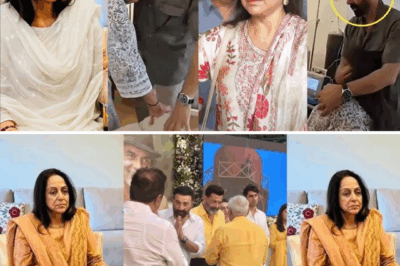
Hema Ji Breaks Silence After Dharmendra’s Passing: Social Media Reacts to Emotional Posts
The world paused for a moment when the news of Dharmendra’s passing spread. Bollywood’s “He-Man,” a figure larger than life,…
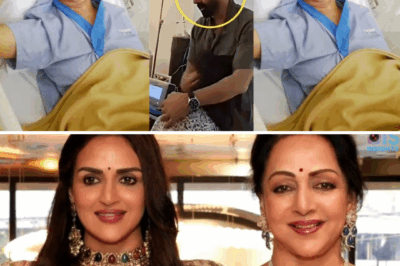
Hema Malini Health Rumors Rise After Dharmendra’s Hospital Scare: What’s Really Happening?
The first whispers came quietly, almost like a shadow sliding across the walls of social media. Hema Malini, the timeless…
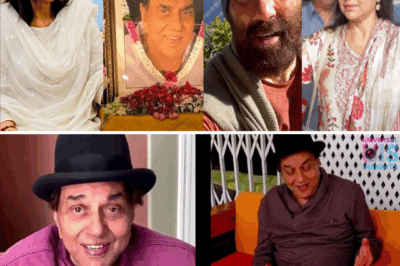
A Quiet Ritual, A Shattered Heart: What Really Stopped Hema Malini at Dharmendra’s Side?
Hema Malini had lived a life in the public eye for more than five decades, but nothing prepared her for…
Bigg Boss 19 Episode 100: Tanya Sparks Intense Fight With Gaurav
Bigg Boss 19 Episode 100, airing on 1st December 2025, marked a milestone not only because it was the 100th…
Bigg Boss 19 Promo 1st December 2025: Contestants Face Media Questions Live
Bigg Boss 19 reached a new milestone with Episode 100, airing on 1st December 2025, and fans were treated to…
Bigg Boss 19 Drama: Amaal Malik Cries After Shehbaz Badesha Evicted
The Bigg Boss 19 house was filled with tension and anticipation as Shehbaz Badesha’s eviction was announced. While many contestants…
End of content
No more pages to load