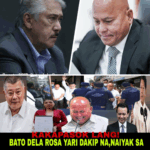

The halls of the Philippine Senate became the stage for one of the most intense political confrontations in recent history as Senator Rodante Marcoleta launched a blistering critique of the Department of National Defense (DND) during the deliberations for the 2026 budget. The atmosphere was charged with tension as the lawmaker methodically dismantled the arguments presented by the defense leadership, questioning the very foundation of the country’s current security strategy. Marcoleta’s interrogation centered on the controversial Enhanced Defense Cooperation Agreement (EDCA) and the presence of foreign military assets on Philippine soil, particularly the mid-range missile systems that have drawn the ire of neighboring superpowers. He argued that instead of serving as a deterrent, these alliances are effectively painting a target on the Philippines, turning the archipelago into a magnet for foreign aggression in a conflict that may not even be of its own making.
As the grueling session continued, the Senator pressed the defense officials on whether the Philippines has communicated any clear “red lines” to its allies regarding the use of these military sites. He demanded to know if there were guarantees that Philippine territory would not be used for offensive operations unrelated to national defense. The response from the defense establishment was met with skepticism, as Marcoleta pointed out the lack of explicit consent mechanisms in the current agreements compared to those of other nations like Poland or Australia. He highlighted that other countries require specific approval for every type of equipment prepositioned on their land, whereas the Philippines appears to have granted a “blank check” that compromises its sovereignty and strategic autonomy. The Senator’s exasperation was evident as he questioned whether the country could truly repel an armed attack after decades of relying on a Mutual Defense Treaty that he claimed has failed to build indigenous military capability.
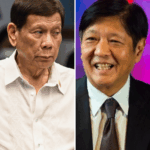
Parallel to the fireworks in the Senate, the political grapevine is buzzing with explosive whispers regarding the legal fate of Former President Rodrigo Duterte. Reports have surfaced suggesting a potential strategy involving an “interim release” or temporary freedom in connection with the International Criminal Court (ICC) investigation. This development has sent shockwaves through the political landscape, as it implies an acknowledgment of imminent legal action and a calculated move to manage the fallout. The concept of an interim release suggests a scenario where the former leader might voluntarily face the charges under specific conditions, a move that would fundamentally alter the dynamics between the current administration and the Duterte camp. This rumored legal maneuvering adds a layer of complexity to the already volatile situation, as supporters and critics alike speculate on whether this is a sign of a truce or a prelude to a more significant political showdown.
Adding fuel to the fire, the Senate hearing also touched upon the murky waters of budget allocations for territorial defense. Senator Marcoleta scrutinized the DND’s definition of the “West Philippine Sea,” challenging them to provide precise coordinates and maps where billions of pesos in public funds are supposedly being spent. He raised the alarm over the possibility of “ghost missions” and “ghost budgets” if the government cannot even accurately define the maritime zones it claims to protect. The Senator pointed out glaring inconsistencies between different laws and administrative orders, arguing that this confusion weakens the country’s legal standing and opens the door for corruption. He questioned why the government is so aggressive towards one claimant country while maintaining “open communication lines” with others who also occupy features in the disputed waters, suggesting a double standard that defies logic.
The political intrigue deepened with resurfaced allegations of bribery and betrayal within the highest levels of government. Mentions of a staggering one billion peso offer to political figures to run against the Duterte family’s allies have reignited talk of a systematic effort to dismantle the former President’s power base. These claims, coupled with the intense scrutiny of the defense budget, paint a picture of a government at war with itself, torn between maintaining foreign alliances and addressing internal political rifts. The accusations of “loyalty checks” and the weaponization of funds for political survival have left the public questioning the true motives behind the administration’s decisions.
As the dust settles on this explosive Senate session, the questions raised by Senator Marcoleta remain largely unanswered. The defense establishment is now under immense pressure to justify its strategies and proving that the billions in taxpayer money are indeed making the country safer, not more vulnerable. Meanwhile, the looming specter of the ICC and the potential surrender or interim release of the former President continues to cast a long shadow over the nation’s politics. The convergence of these issues—national security, sovereignty, and political vendettas—has created a perfect storm that threatens to destabilize the administration and reshape the future of the Philippines. The public is left to wonder if the government is truly serving the national interest or merely navigating a treacherous game of survival where the ordinary citizen is nothing more than collateral damage.
News
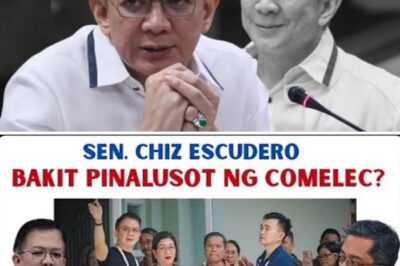
SHOCKING LEGAL TWIST: Senate President Chiz Escudero and Controversial Contractor Officially CLEARED in Massive ₱30 Million Campaign Fund Scandal—Is This Justice or Just Another Loophole?
In a development that has sent shockwaves through the Philippine political landscape, the Commission on Elections (Comelec) has officially cleared…

JUSTICE FINALLY ARRIVES: NBI Agents Execute High-Stakes Raid Using Battering Rams to Capture Elusive Official Linked to Massive Multi-Billion Infrastructure and ‘Flood Control’ Syndicate Hiding in Politician’s Mansion
In a dramatic turn of events that resembles a high-octane Hollywood thriller, the National Bureau of Investigation (NBI) has struck…

UNPRECEDENTED HISTORIC EVENT! Breaking News Shakes the Nation as Millions in ‘Ill-Gotten’ Cash Are Surrendered to the Government for the First Time in History—Is This the Ultimate Proof of a Massive Crackdown?
In a stunning turn of events that has sent shockwaves through the Philippines, breaking news has erupted regarding a development…
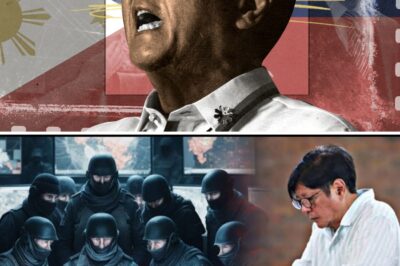
Explosive “November 30 Plot” Exposed: Is the Upcoming Massive Rally a Genuine Civic Action or a Desperate Smokescreen to Save Corrupt Officials from President Marcos Jr.’s Purge?
The political temperature in the Philippines is reaching a boiling point as reports surface regarding a “sinister plan” allegedly targeting…

Malacañang Reportedly in Crisis as Explosive Allegations Link Top Official Zaldy Co to Massive Onion and Sugar ‘Cartel’ Scandal Rocking the Presidency and Sparking Panic in the Palace
The corridors of power in Malacañang are reportedly trembling as a massive political storm makes landfall, threatening to expose the…

Legislative Chaos Erupts: Senator Explodes in Anger Over Health Fund Mishandling While Shocking P10 Billion Budget Demand for Alleged ‘Corrupt Practices’ Sparks National Outrage
The atmosphere within the Philippine legislative complex has reached a fever pitch, characterized by shouting matches, expulsions, and allegations of…
End of content
No more pages to load