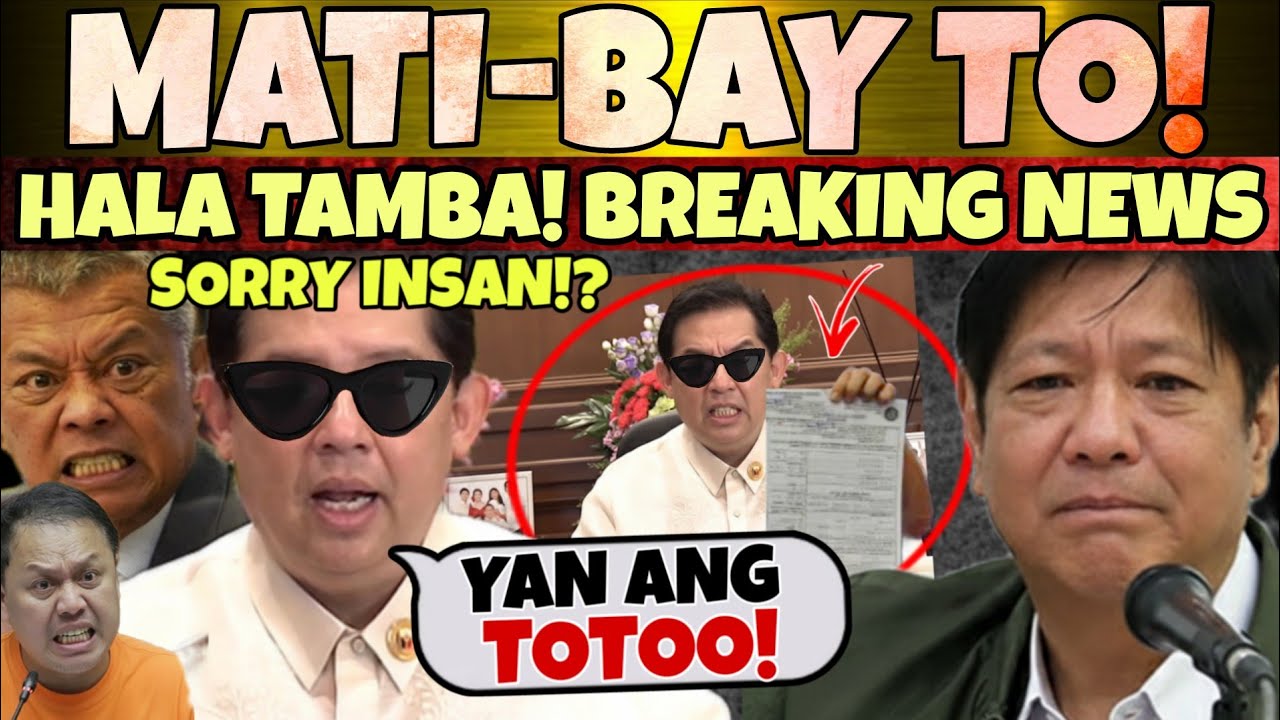
The Philippine political landscape has been plunged into chaos following the sudden release of a highly controversial video that threatens to shatter the stability of the current administration. In a development that has left the public reeling, former Appropriations Committee Chairperson Zaldy Co has allegedly released a new statement, accompanied by what he claims is evidence of massive corruption involving the highest echelons of government. The video, which has rapidly circulated across social media platforms, details a staggering alleged scheme involving the collection and delivery of billions of pesos in kickbacks, with accusations leveled directly at Speaker Martin Romualdez and President Ferdinand “Bongbong” Marcos Jr. The intensity of these revelations has sparked a firestorm of debate, with citizens demanding immediate answers and transparency from their leaders.
At the center of this brewing storm is the claim that Co was pressured to deliver an astronomical sum of 2 billion pesos every month to Speaker Romualdez. The video describes a systematic operation where funds, allegedly derived from “SOPs” (Standard Operating Procedures) or kickbacks from government projects, were funneled through intermediaries. Co vehemently denies benefitting from these transactions, portraying himself instead as a conduit who was merely following orders from above. He details a specific timeline from 2022 to 2025, asserting that the total amount delivered reached over 56 billion pesos. To bolster his claims, the video reportedly showcases images of luggage used to transport the cash, a visual that has captured the public’s imagination and fueled outrage over the sheer scale of the alleged misappropriation.
Furthermore, the allegations take a more specific and damaging turn with the mention of “safe houses” located in exclusive subdivisions. The video identifies specific addresses in Forbes Park, claiming these properties were purchased or used specifically as “drop-off points” and storage facilities for the illicit funds. Co alleges that he was instructed to deliver money to these locations, implicating close associates of the President as the receivers. The level of detail provided—including street names, dates of delivery, and the names of the individuals involved in the transfer—adds a layer of gravity to the accusations that makes them difficult to dismiss as mere political mudslinging. The mention of “Tamarind Street” and “Narra Street” as hubs for these activities has turned the spotlight on the lifestyle and hidden dealings of the country’s elite.
In a twist that highlights the fracturing of political alliances, the video suggests a deep rift between the key players. Co claims that at one point, the President expressed dissatisfaction over not receiving his share, leading to a direct order for a 1-billion-peso delivery to smooth things over. This narrative paints a picture of a government run like a cartel, where loyalty is bought and sold, and where subordinates are squeezed to satisfy the financial demands of their superiors. The whistleblower portrays himself as a potential scapegoat, expressing fear for his safety and claiming that the administration is plotting to label him a “terrorist” to silence him permanently. This “fall guy” defense resonates with a public that has grown cynical about political maneuvers, raising questions about who is truly pulling the strings behind the scenes.
The reaction to these explosive claims has been a mixture of shock, anger, and skepticism. Supporters of the administration have dismissed the video as a fabrication intended to destabilize the government, while critics see it as the smoking gun that confirms long-held suspicions of corruption. The silence from the Palace and the Speaker’s camp has only served to amplify the noise, with many interpreting their lack of immediate response as an admission of guilt or a sign of panic. Calls for an independent investigation are growing louder, with demands for the Senate or the Ombudsman to step in and verify the authenticity of the evidence provided. The mention of “flood control funds” being diverted for personal gain strikes a particularly sensitive nerve, given the recent calamities that have devastated parts of the country, leaving many to wonder if their suffering was exacerbated by the greed of their leaders.
As the dust settles on this latest revelation, the future of the current administration hangs in the balance. The detailed nature of Zaldy Co’s testimony, combined with the visual “receipts” he has presented, poses a significant challenge to the President’s narrative of “Bagong Pilipinas” (New Philippines). If these allegations are proven true, it could lead to impeachment complaints or a massive loss of public trust that would make governance impossible. The drama is far from over, and as more details emerge, the Filipino people are left watching a real-life political thriller unfold, waiting to see if justice will be served or if this too will be swept under the rug of history.
News
GULAT ANG LAHAT! Toby Tiangco, Huli sa Video na Nagtatangkang Harangin ang Suspensyon ni Kiko Barzaga – ‘Trojan Horse’ sa Kongreso Nabunyag?
Sa isang mainit na tagpo sa loob ng Batasang Pambansa na tila hinugot sa isang pelikula, isang hindi inaasahang “plot…

HINDI NA NAKAPALAG! Kiko Barzaga, Pinatayan ng Mikropono at Sinuspendi ng 60 Araw Matapos ang Matinding Harapan sa Kongreso Dahil sa ‘Fake News’
Sa isang mainit at dramatikong tagpo sa loob ng Batasang Pambansa, tuluyan nang ibinaba ang kamay na bakal laban…

GUARD! KALADKARIN NIYO PALABAS ANG MATANDANG ‘YAN! ANG BAHO NIYA, NAKAKAHIYA SA MGA PASYENTE KO!
Napakalakas ng bagyo nang gabing iyon sa lungsod. Ang hangin ay humahagupit sa mga bintana ng St. Luke’s Medical City…
LUMAYAS KA RITO! ANG BAHO MO! WALA KANG PAMBAYAD KAYA WALA KANG KARAPATANG MAGPAGAMOT DITO!
Sa gitna ng abalang lungsod ng Makati, nakatayo ang St. Raphael Medical Center, isang ospital na kilala sa makabagong kagamitan,…
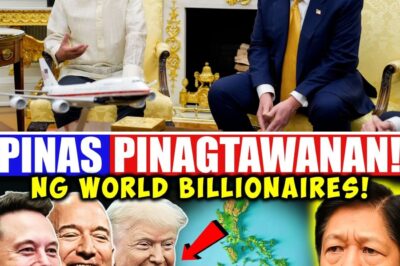
The Uncomfortable Truth Exposed: Why the World’s Wealthiest Nations Are Reportedly Laughing at the Philippines and the Shocking Reason Behind Their Sudden Loss of Respect for the Pearl of the Orient!
It is a bitter pill to swallow for every patriotic Filipino, but a disturbing narrative is quietly circulating within the…

ARGUS Touches Hearts on Showtime as He Emotionally Bids Farewell to His Father
Manila, Philippines — It was a tear-filled episode of It’s Showtime as young singing sensation Argus delivered one of the most emotional…
End of content
No more pages to load