
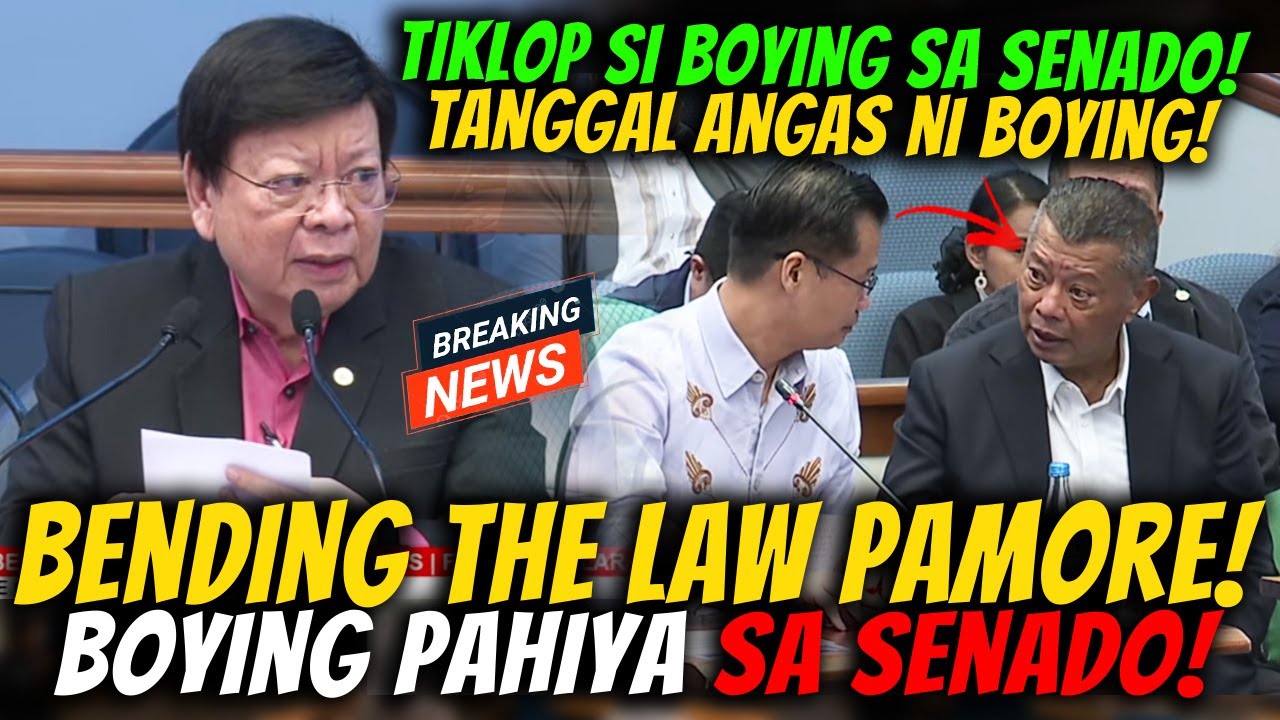
A highly charged session in the nation’s legislative chamber recently brought the Office of the Ombudsman under intense scrutiny, as a fierce political confrontation exposed deep concerns regarding the integrity and processes of the country’s chief anti-corruption body.
The heated exchange took place during the budget deliberations, where Senator Rodante Marcoleta relentlessly questioned the sponsor representing the Ombudsman’s office, pressing for clarifications on a series of controversial actions and statements.
Marcoleta’s primary target was the new Ombudsman’s publicly espoused philosophy that he was willing to “bend the rules” of the law, provided he did not outright violate them.
The Senator argued strenuously that this statement, which the sponsor dismissed as merely a “figure of speech,” was wholly inappropriate for the head of the anti-graft body, asserting that such ambiguous language could severely confuse the public and undermine the core principle that the rule of law must be absolute and supreme.
The debate quickly escalated from philosophy to alleged procedural manipulation. Senator Marcoleta revealed an explosive allegation concerning a memorandum issued by the acting Deputy Ombudsman.
This office order retroactively abolished the previous “auto-docketing” rule and implemented a highly suspicious 10-day grace period, effectively removing cases filed within that window from the active docket and placing them under “evaluation.” Marcoleta forcefully argued that the timing of this directive was highly suspect, suggesting it was calculated to benefit a specific, high-profile individual—a former Secretary of Justice and Marcoleta’s “friend,” who was then applying for the very position of Ombudsman.
By undocketing the complaint filed against this individual days earlier, the order allegedly cleared the path for him to secure the necessary clearance and be included in the presidential shortlist, a move the Senator claims compromises the credibility of the entire appointment process.
Furthermore, Marcoleta voiced deep apprehension over the Ombudsman’s practice of announcing an “indicative timeline” for the issuance of orders for apprehension in high-profile cases. The Senator warned that the Ombudsman’s public pronouncements—such as predicting orders would be issued by a specific date—effectively preempt the Sandiganbayan or the Regional Trial Courts, which are the only bodies with the constitutional power to issue such orders.
He contended that this practice creates a dangerous appearance of influence, giving the public the wrong impression that the Ombudsman’s office can direct the judiciary, thereby raising serious questions about the impartiality of the courts and the fairness of the entire judicial process for those targeted for apprehension.
Finally, the Senator raised fundamental questions about due process and transparency. He criticized the Ombudsman’s internal processes for not requiring the notification of a complainant, such as the one filed by “Mayor Baste,” when their case was effectively nullified or changed from “docketed” to “under evaluation.” Marcoleta insisted that a lack of notification denies citizens their constitutional right to due process, preventing them from filing motions for reconsideration.
He underscored that this lack of transparency—doing something that affects a case without informing the person who filed it—is a profound disservice to the public. As the budget hearing concluded, Marcoleta made a fervent appeal for the Ombudsman to consider these legislative concerns and adopt complete transparency in all its dealings to rebuild public trust in the institution responsible for safeguarding the nation’s integrity.
News

Janitress na Itinakwil ng Pamilya ng Boyfriend Noon, Ginulat ang Lahat Nang Magpakilala Bilang CEO sa Kanilang Family Reunion!
Hindi habang buhay ay nasa ilalim tayo. May mga pagkakataon na ang mga taong inaapakan at minamaliit noon ay sila…

ANG MEKANIKONG NAKABISIKLETA: PAANO PINAHIYA NG ISANG DALAGA ANG 10 ESPESYALISTA AT PINALUHOD ANG ISANG BILYONARYO SA PAGPAPAKUMBABA
Sa ilalim ng nakapapasong init ng araw sa Uberlandia, Brazil, isang eksena ang umagaw sa atensyon ng marami—isang tagpo na…

DAYUHANG NAGHANAP NG PAG-IBIG SA CEBU, SINAPIT ANG MALAGIM NA WAKAS SA KAMAY NG ONLINE SYNDICATE
Sa mundo ng teknolohiya, tila napakadali na lamang maghanap ng koneksyon. Isang click, isang chat, at maaari ka nang makatagpo…

RETIRED SECRET AGENT, Naging Tricycle Driver Para sa Pamilya, Niligtas ang Bilyunaryang CEO Mula sa Kapahamakan at Binago ang Takbo ng Korapsyon sa Kumpanya!
Sa gitna ng mausok, maingay, at masikip na eskinita ng Tondo, may isang anino na tahimik na namumuhay. Si Elias…

Magsasaka, Ginipit ng Milyonarya: “Bigyan Mo Ako ng Anak o Ipapahabol Kita sa Aso” – Ang Kwento ng Pagbangon ni Noelito
Sa isang liblib na baryo sa San Isidro, kung saan ang hamog ng umaga ay humahalik pa sa mga dahon…

Batang Taga-Bundok, Hinamak sa Bangko Dahil sa Lumang Damit—Natahimik ang Lahat Nang Makita ang ₱100 Milyon sa Kanyang Account!
Sa mata ng marami, ang tagumpay ay nasusukat sa kintab ng sapatos, ganda ng damit, at garbo ng pamumuhay. Madalas,…
End of content
No more pages to load