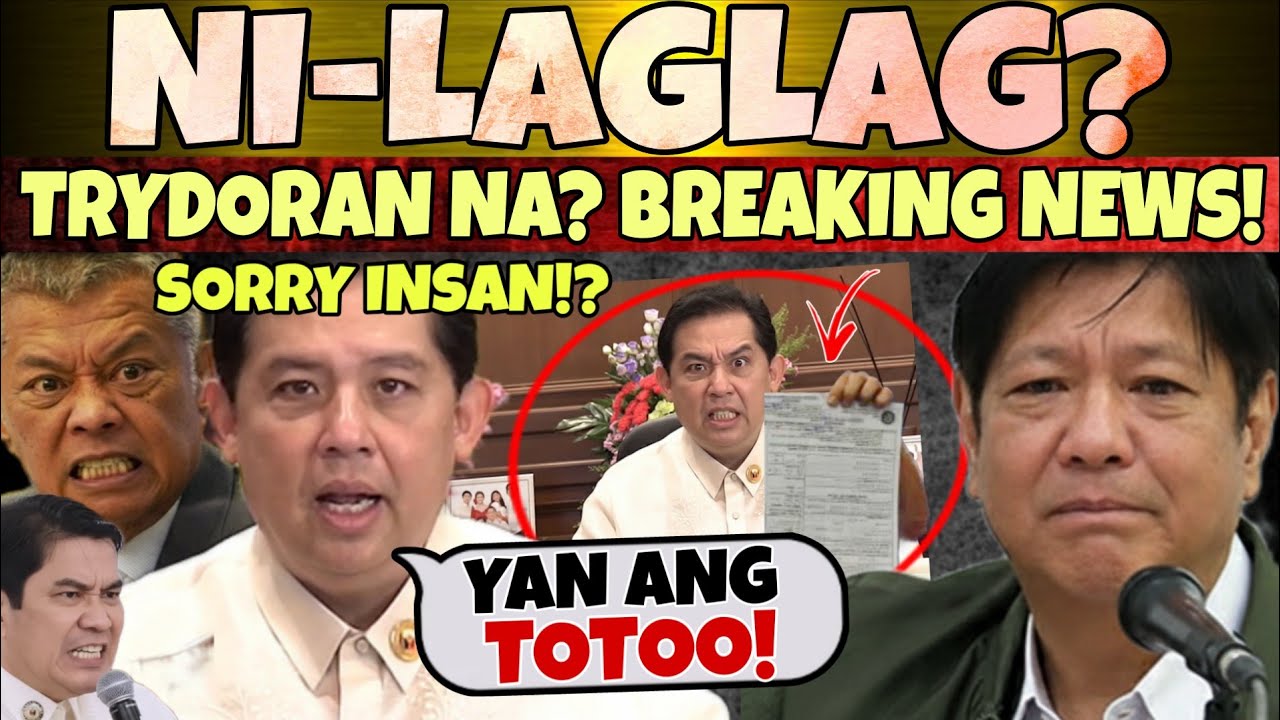
In the volatile world of Philippine politics, narratives shift as quickly as the tides. However, a recent and peculiar defense strategy has emerged from the camps of President Ferdinand “Bongbong” Marcos Jr. (BBM) that warrants serious scrutiny. As criticisms mount and internal alliances fracture, the defense of the President has evolved from proclaiming his competence to highlighting his “kindness.” This pivot, while seemingly innocuous, exposes a troubling fragility in the current administration’s leadership style and raises the question: Is the President truly in charge, or is his perceived “softness” a liability that is being exploited by those closest to him?
The “Nice Guy” Defense: A Double-Edged Sword
For months, loyalists and political operators have been pushing a narrative that the President is incapable of corruption or wrongdoing simply because he is “too nice.” According to this line of thinking, his benevolent nature makes him immune to the temptations of theft or abuse of power. This sentiment was recently echoed by political analysts who suggest that the President’s soft demeanor makes him an easy target for manipulation.
The argument posits that if corruption exists, it is not the President’s fault, but rather the fault of the “users” and “manipulators” surrounding him who are cashing in on his kindness. This is a staggering admission. If the highest official in the land can be so easily maneuvered by his subordinates—allegedly figures like Bersamin and others who have recently faced scrutiny—it suggests a power vacuum at the top. A leader who cannot control his inner circle is a leader in peril. To accept this defense is to accept that the nation is being steered not by the elected official, but by unelected opportunists operating in his shadow.
The “Survival” Standard vs. The Legacy of Results
The contrast between the current administration and the tenure of former President Rodrigo Duterte could not be starker, particularly in the sentiments of their respective bases. Supporters of the previous administration often cite tangible, undeniable results as the source of their pride. They speak of the aggressive anti-crime campaigns that made streets feel safer, and the massive “Build, Build, Build” infrastructure projects like the Skyway, which drastically reduced travel time and improved the quality of life for commuters.
For the Duterte supporter, pride stemmed from action and results. In stark contrast, the morale of the current administration’s supporters seems to hang on a much lower bar: survival. The prevailing sentiment on social media has reduced to relieved proclamations that “BBM is still President today.” When the primary achievement of a leader is simply remaining in office for another 24 hours despite destabilization rumors, the standard for governance has plummeted. It signals a defensive posture, where the goal is no longer progress, but merely avoiding collapse.
The Elephant in the Room: The Challenge of the Test
Perhaps the most contentious issue plaguing the President’s image is the persistent allegation regarding substance use. These are not whispers from the opposition’s fringe; these are accusations coming from former allies, law enforcement agents, and even his own sister, Senator Imee Marcos. The term “polite” is being used to shield him, but politeness does not answer the specific accusations of drug use.
Critics and observers have proposed a simple, definitive solution: a hair follicle test. This scientific method can trace substance use history far longer than a urine test. The argument is logical—if the President is truly not involved in these activities, why resist the test?
The challenge is straightforward. Instead of relying on spokespeople to deny the claims, the President could easily conduct a live, televised vlogging session where he submits to a hair follicle test. Such a move would be a masterstroke, silencing critics instantly and restoring a significant amount of public trust. The continued refusal to engage with this challenge only serves to validate the suspicions of his detractors. As testimonies from figures like former PDEA agents and individuals previously close to the inner circle continue to surface, the silence becomes heavier and more damaging.
Paranoia and the Right to Protest
Amidst these personal controversies, the administration’s response to public dissent has been telling. The Armed Forces and various agencies have reportedly launched investigations into the funding sources of recent rallies. This focus on “who is bankrolling the protest” misses the fundamental point of democracy.
Protest is a constitutional right. Whether it is the church groups, the pro-Duterte factions, or other civic movements, the right to assemble is sacred. It is ironic that the government is expending resources to investigate the logistics of these rallies while failing to protect the participants from potential saboteurs. Observers have noted that rallies conducted by the Duterte and INC blocs have been remarkably peaceful, free from the vandalism and violence often associated with other political movements. Yet, the government’s stance remains one of suspicion rather than engagement.
A Government in Flux
The instability is further highlighted by a wave of resignations sweeping through the administration. From key cabinet officials to appointees, the departure of personnel suggests internal discord. When officials resign, it is often a symptom of policy disagreements or a lack of confidence in the ship’s captain.
The narrative of the “kind” President is crumbling under the weight of reality. Kindness is a virtue in a person, but in a leader, clarity, strength, and accountability are paramount. The Filipino people deserve more than a leader who is “surviving.” They deserve a leader who is in command, who is transparent about his health and lifestyle, and who drives the nation forward with the same intensity that built the Skyways and cleared the streets. Until the President addresses these issues head-on—starting with the transparency of a drug test—the questions will remain, and the “nice guy” defense will continue to ring hollow.
News

Janitress na Itinakwil ng Pamilya ng Boyfriend Noon, Ginulat ang Lahat Nang Magpakilala Bilang CEO sa Kanilang Family Reunion!
Hindi habang buhay ay nasa ilalim tayo. May mga pagkakataon na ang mga taong inaapakan at minamaliit noon ay sila…
ANG MEKANIKONG NAKABISIKLETA: PAANO PINAHIYA NG ISANG DALAGA ANG 10 ESPESYALISTA AT PINALUHOD ANG ISANG BILYONARYO SA PAGPAPAKUMBABA
Sa ilalim ng nakapapasong init ng araw sa Uberlandia, Brazil, isang eksena ang umagaw sa atensyon ng marami—isang tagpo na…
DAYUHANG NAGHANAP NG PAG-IBIG SA CEBU, SINAPIT ANG MALAGIM NA WAKAS SA KAMAY NG ONLINE SYNDICATE
Sa mundo ng teknolohiya, tila napakadali na lamang maghanap ng koneksyon. Isang click, isang chat, at maaari ka nang makatagpo…

RETIRED SECRET AGENT, Naging Tricycle Driver Para sa Pamilya, Niligtas ang Bilyunaryang CEO Mula sa Kapahamakan at Binago ang Takbo ng Korapsyon sa Kumpanya!
Sa gitna ng mausok, maingay, at masikip na eskinita ng Tondo, may isang anino na tahimik na namumuhay. Si Elias…

Magsasaka, Ginipit ng Milyonarya: “Bigyan Mo Ako ng Anak o Ipapahabol Kita sa Aso” – Ang Kwento ng Pagbangon ni Noelito
Sa isang liblib na baryo sa San Isidro, kung saan ang hamog ng umaga ay humahalik pa sa mga dahon…

Batang Taga-Bundok, Hinamak sa Bangko Dahil sa Lumang Damit—Natahimik ang Lahat Nang Makita ang ₱100 Milyon sa Kanyang Account!
Sa mata ng marami, ang tagumpay ay nasusukat sa kintab ng sapatos, ganda ng damit, at garbo ng pamumuhay. Madalas,…
End of content
No more pages to load