
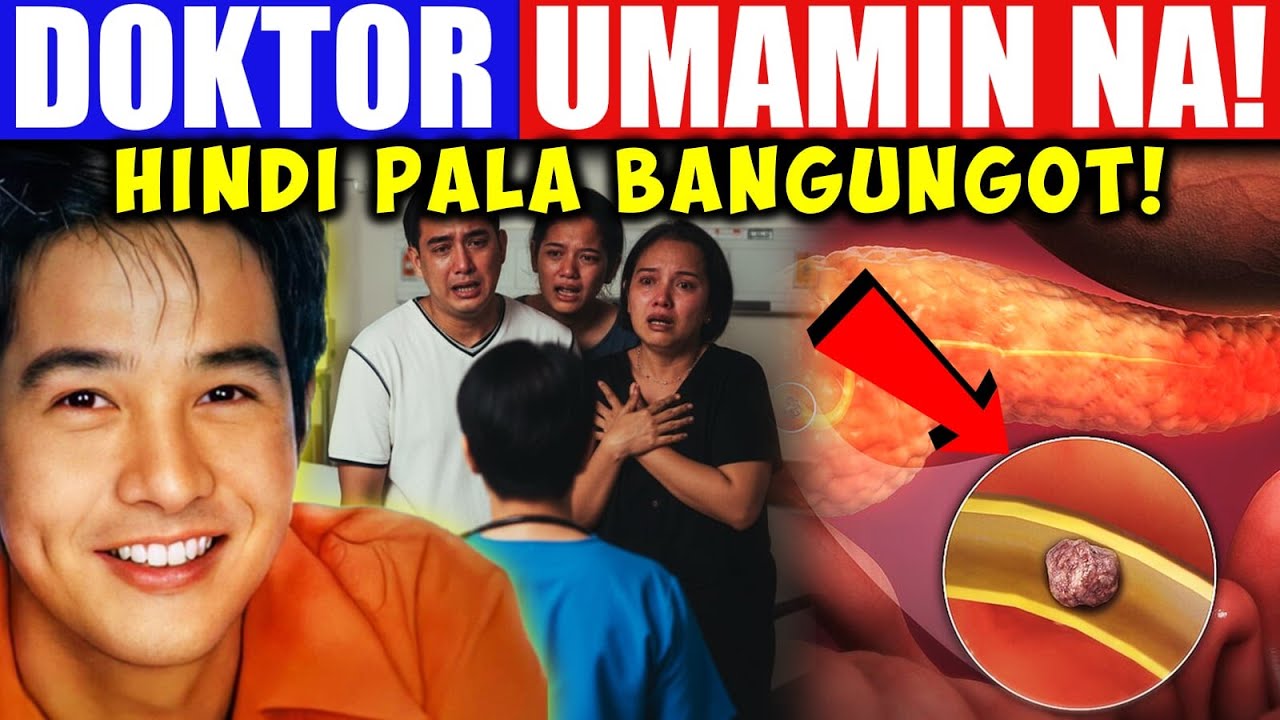
In the pantheon of Philippine entertainment history, few names evoke as much nostalgia, admiration, and enduring sorrow as Rico Yan. He was the quintessential boy-next-door, the dimpled heartthrob who captured the imagination of a generation, and a young man whose potential seemed limitless. Yet, on a quiet Good Friday morning in March 2002, the unthinkable happened. The news broke like a thunderclap across the archipelago: Rico Yan was gone. Found lifeless in his room at the Dos Palmas Resort in Palawan, his sudden departure at the tender age of 27 left a nation in a state of suspended disbelief. For decades, the narrative surrounding his passing has been shrouded in the local folklore of “bangungot”—a phenomenon often described as a nightmare from which one cannot wake, or sudden unexplained death during sleep. However, as time has passed and medical literacy has improved, the true, clinical cause of his tragedy has come to the forefront, dispelling the myths and replacing them with a harsh, heartbreaking medical reality that serves as both a historical correction and a cautionary tale.
The events leading up to that fateful morning were painted with the colors of joy and celebration, making the subsequent tragedy even more jarring. Rico, along with close friends, had traveled to the idyllic island resort to celebrate Holy Week, a time for relaxation and bonding. Accounts from that period describe a group of young people enjoying the prime of their lives, engaging in laughter, swimming, and late-night conversations. It was a scene of perfect normalcy, far removed from the shadow of doom. There were no signs of distress, no premonitions of the catastrophe that was brewing internally. The group had reportedly enjoyed a night of celebration, which included food and drinks, a common practice during vacations. Rico retired to his cottage, bidding his friends goodnight, a farewell that would unknowingly be his last. When he failed to wake up the next morning, the panic that ensued at the resort was the beginning of a national collective trauma.
For years, the term “bangungot” was used colloquially to explain his passing. In Filipino culture, this concept is deeply rooted, often associated with eating a heavy meal before sleeping and suffering from a fatal nightmare. It is a convenient, albeit non-medical, explanation for Sudden Unexplained Nocturnal Death Syndrome (SUNDS). However, the official autopsy report conducted shortly after the tragedy told a specific and distinct story, one that separates folklore from pathology. The medico-legal findings confirmed that Rico Yan passed away due to Acute Hemorrhagic Pancreatitis. This is not a bad dream; it is a severe and often fatal medical emergency involving the pancreas, an organ crucial for digestion and blood sugar regulation.
Acute Hemorrhagic Pancreatitis occurs when the enzymes produced by the pancreas, which are normally inactive until they reach the small intestine, become active while still inside the pancreas. Essentially, the organ begins to digest itself. This process causes severe inflammation, bleeding (hemorrhage), and significant tissue damage. In severe cases, like Rico’s, it can lead to shock and multi-organ failure very rapidly. While the exact trigger can vary, medical literature often cites gallstones and significant alcohol consumption as the two most common causes. The condition can strike with terrifying speed, and when it happens during sleep, the victim may slip into a state of shock without ever regaining consciousness to call for help. The realization that his body was undergoing such a violent internal event while he appeared to be peacefully sleeping is a thought that haunts fans and loved ones to this day.

The clarification of this medical cause is vital because it shifts the conversation from superstition to health awareness. It dispels the idea that a “nightmare” killed him and highlights the biological fragility of the human body. The pancreas is an organ that is often overlooked until it causes problems, and acute attacks can be precipitated by lifestyle factors, though sometimes they occur without a clear, preventable cause. In Rico’s case, the combination of factors during his vacation likely created a perfect storm. It serves as a somber reminder that youth and outward vitality are not shields against acute internal conditions. The image of Rico Yan, fit, handsome, and athletic, succumbing to such an illness underlines the indiscriminate nature of this condition.
The aftermath of his passing was a phenomenon in itself, a testament to the impact he had on the culture. His wake at La Salle Greenhills was attended by thousands upon thousands of people. Lines snake around city blocks, filled with fans from all walks of life holding flowers, pictures, and candles. It was a scene of mass mourning rarely seen for a celebrity. The grief was compounded by his high-profile romance with actress Claudine Barretto. Their on-screen and off-screen relationship was the stuff of fairytales, and his passing left a “what if” that has lingered for over two decades. The sight of a heartbroken Claudine became the defining image of that summer, a real-life tragedy that eclipsed any drama they had ever filmed. To this day, the mention of Rico Yan brings a pang of sadness to those who grew up watching him, a symbol of lost youth and a love story cut short by the cruel hand of fate.
Revisiting the cause of his passing is not meant to reopen old wounds, but to honor the truth of his memory. By understanding that it was Acute Hemorrhagic Pancreatitis, we strip away the fear of the unknown “bangungot” and replace it with a respect for the medical realities of life. Rico Yan did not lose his battle to a ghost or a bad dream; he lost it to a sudden, catastrophic medical event. His legacy, however, remains untouched by the manner of his departure. He remains the charming entrepreneur, the talented actor, and the youth advocate who inspired millions.

As we look back, the story of Rico Yan is more than just a celebrity tragedy; it is a narrative about the unpredictability of life. One moment, you are laughing with friends on a paradise island; the next, you are gone. It teaches us to cherish every moment, to look after our health, and to remember that our time here is borrowed. The “Prince of Matinee Idols” may have slept and never woken up, but in the hearts of the Filipino people, he has never truly left. The truth of his passing only makes his memory more human, more tragic, and ultimately, more enduring.
News

GULAT ANG LAHAT! Toby Tiangco, Huli sa Video na Nagtatangkang Harangin ang Suspensyon ni Kiko Barzaga – ‘Trojan Horse’ sa Kongreso Nabunyag?
Sa isang mainit na tagpo sa loob ng Batasang Pambansa na tila hinugot sa isang pelikula, isang hindi inaasahang “plot…

HINDI NA NAKAPALAG! Kiko Barzaga, Pinatayan ng Mikropono at Sinuspendi ng 60 Araw Matapos ang Matinding Harapan sa Kongreso Dahil sa ‘Fake News’
Sa isang mainit at dramatikong tagpo sa loob ng Batasang Pambansa, tuluyan nang ibinaba ang kamay na bakal laban…

GUARD! KALADKARIN NIYO PALABAS ANG MATANDANG ‘YAN! ANG BAHO NIYA, NAKAKAHIYA SA MGA PASYENTE KO!
Napakalakas ng bagyo nang gabing iyon sa lungsod. Ang hangin ay humahagupit sa mga bintana ng St. Luke’s Medical City…

LUMAYAS KA RITO! ANG BAHO MO! WALA KANG PAMBAYAD KAYA WALA KANG KARAPATANG MAGPAGAMOT DITO!
Sa gitna ng abalang lungsod ng Makati, nakatayo ang St. Raphael Medical Center, isang ospital na kilala sa makabagong kagamitan,…

The Uncomfortable Truth Exposed: Why the World’s Wealthiest Nations Are Reportedly Laughing at the Philippines and the Shocking Reason Behind Their Sudden Loss of Respect for the Pearl of the Orient!
It is a bitter pill to swallow for every patriotic Filipino, but a disturbing narrative is quietly circulating within the…

ARGUS Touches Hearts on Showtime as He Emotionally Bids Farewell to His Father
Manila, Philippines — It was a tear-filled episode of It’s Showtime as young singing sensation Argus delivered one of the most emotional…
End of content
No more pages to load